Author: Dev SkyHighVisions

bathroom remodeling

The Complete Guide to Bathroom Remodeling in Columbus: Costs, Timelines, and Design Choices

Planning a bathroom renovation can feel overwhelming. Between comparing contractors, sorting through design options, and trying to make sense of online cost estimates, it’s easy to feel unsure about what’s realistic. This guide is designed to clarify what Columbus homeowners commonly experience during a bathroom remodel, while setting expectations that reflect how renovation projects actually work.

What to Know Before Starting a Bathroom Remodel

Most bathroom renovations go beyond cosmetic updates. Aging plumbing, outdated layouts, moisture damage, and inefficient lighting often surface once walls and floors are opened. For Columbus homeowners, especially those in homes built between the 1950s and 1970s, it’s common for renovation plans to evolve as existing conditions are uncovered.

Bathroom remodeling remains one of the most popular home improvement projects in Central Ohio. Industry studies frequently cite resale returns in the 60–70% range for mid-range bathroom renovations, though actual return depends on market conditions, neighborhood expectations, and buyer demand at the time of sale. For many homeowners, the primary benefit is improved comfort, function, and daily usability rather than resale alone.

Typical Bathroom Remodeling Costs in Columbus (Estimates)

Bathroom remodel costs vary significantly based on size, layout changes, materials, and existing conditions. The following ranges reflect general estimates based on recent Columbus-area projects and should be used for planning purposes only. Actual costs may be higher or lower depending on your specific project and market conditions at the time of construction.

  • Basic updates
    Cosmetic improvements such as fixtures, lighting, paint, and limited tile work without moving plumbing or walls.
  • Mid-range remodels
    Layout changes, upgraded materials, improved storage, walk-in showers, or additional electrical and plumbing work.
  • High-end remodels
    Custom tile, premium fixtures, accessibility features, structural modifications, or repairs discovered during demolition.

Important: Material pricing, labor availability, and permit requirements change over time. A detailed, project-specific estimate is the only reliable way to understand actual costs.

Budget Variables to Plan For

Unexpected conditions are a normal part of renovation work. Common discoveries that can affect cost include:

  • Subfloor or framing damage
  • Plumbing or electrical updates needed to meet current code
  • Water intrusion or moisture damage
  • Material delivery delays

Many homeowners plan a 15–20% contingency to account for these possibilities.

Bathroom Remodel Timelines: What’s Typical

Under typical conditions, a full bathroom renovation often takes 4–6 weeks, though timelines vary based on scope, inspections, and material availability.

Phase Breakdown

Week 1: Demolition and Assessment – Existing materials are removed, allowing contractors to evaluate plumbing, wiring, and structural conditions. This is when unforeseen issues are most commonly identified.

Weeks 2–3: Rough-In and Inspections – Plumbing, electrical, and ventilation updates occur during this phase. Required inspections take place before walls are closed.

Weeks 3–4: Surfaces and Tile – Drywall, waterproofing, tile installation, and flooring begin. These steps require proper curing time to ensure durability.

Weeks 5–6: Fixtures and Final Details – Vanities, lighting, mirrors, plumbing fixtures, and finishing details are installed.

Delays can occur due to inspection scheduling, material backorders, weather-related delivery issues, or changes to project scope.

Design Choices That Have the Biggest Impact

Showers vs. Tubs

Homes with children often benefit from at least one bathtub, while primary bathrooms increasingly feature walk-in showers for accessibility and daily convenience. Curbless designs and integrated seating are popular for long-term usability.

Tile and Materials

Porcelain tile is commonly recommended for wet areas due to its durability and lower water absorption. Ceramic tile remains a practical option when installed and sealed correctly. Natural stone requires ongoing maintenance and may not suit every household.

Lighting and Ventilation

Balanced lighting improves functionality and comfort. Adequate ventilation is essential in Ohio’s humid climate, helping reduce moisture buildup and long-term damage.

Staying on Budget During Your Remodel

Projects that exceed budget often do so due to scope changes or late design decisions. Homeowners can reduce surprises by:

  • Finalizing selections early
  • Requesting itemized estimates
  • Clarifying how changes are priced
  • Understanding what is and isn’t included in the original scope

Some homeowners choose to purchase certain fixtures themselves. Policies vary by contractor, and it’s important to confirm warranty and compatibility responsibilities in advance.

Common Bathroom Remodeling Mistakes

  • Selecting contractors based on price alone
  • Skipping permits or inspections
  • Underestimating storage needs
  • Choosing highly personalized designs without considering future resale
  • Failing to plan for long-term accessibility needs

Materials That Perform Well in Central Ohio

Central Ohio’s climate puts consistent stress on bathroom materials due to humidity, seasonal temperature swings, and moisture exposure year-round. Choosing materials designed to handle these conditions can significantly reduce maintenance issues and help your remodel hold up over time.

Water-resistant drywall such as green board or purple board is strongly recommended for bathrooms. While it is not waterproof, it resists moisture absorption better than standard drywall and provides added protection in areas exposed to steam and condensation. In shower and tub surrounds, cement backer board or other waterproof substrates should be used behind tile for proper moisture control.

Porcelain tile performs particularly well in Ohio homes. It absorbs less water than ceramic tile and holds up better in high-humidity environments. When installed correctly, both porcelain and ceramic tile can work well, but porcelain offers an extra margin of durability in bathrooms that see frequent use.

High-quality grout and caulk are essential. Grout lines are often the first place moisture problems appear, especially in areas with hard water. Using grout that is properly sealed and mildew-resistant caulk in wet zones helps prevent water intrusion and reduces staining and deterioration over time. Periodic resealing is a normal part of long-term bathroom maintenance.

Ventilation is one of the most important material decisions, even though it is not always visible. Exhaust fans should be properly sized for the bathroom and installed to vent moisture outside the home, not into an attic or wall cavity. In humid conditions, higher-capacity fans or models with humidity sensors can help manage moisture more effectively and reduce the risk of mold growth.

Selecting materials with Central Ohio’s climate in mind does not eliminate maintenance entirely, but it does reduce preventable issues and helps protect your investment for the long term.

FAQs: Bathroom Remodeling in Columbus

1. How long will my bathroom be unusable during renovation?

Most full remodels we’ve done require 4–8 weeks, though simpler projects may take less time and complex renovations may take longer.

2. Do I need to move out during a bathroom remodel?

Most homeowners remain in their homes, but single-bathroom households may prefer alternative arrangements during demolition.

3. What resale value can I expect from a bathroom remodel?

Industry data often cites 60–75% returns for mid-range renovations, though results vary by neighborhood and market conditions.

4. Can I do part of the remodel myself?

Some cosmetic work may be DIY-friendly. Plumbing and electrical work typically require licensed professionals and permits.

5. How can I tell if a timeline is realistic?

A detailed schedule that accounts for inspections, material lead times, and curing periods is generally more reliable than aggressive completion promises.

Ready to Plan Your Bathroom Remodel?

Bathroom remodeling is a major investment, and the difference between a smooth project and a stressful one often comes down to planning, transparency, and choosing the right team. If you’re ready to talk through your goals, budget considerations, and timeline with an experienced Columbus remodeling contractor, we’re here to help.

Call us at(614) 662-4818 or fill out our online form to schedule a consultation and get a detailed, project-specific estimate for your bathroom remodel. Let’s turn your ideas into a space that works better for your home and your life.

kitchen remodel

How to Hire the Right Contractor for Your Kitchen Remodel

Your kitchen remodel success depends less on your design choices and more on who you hire to execute them. Choose wrong, and even the best plans fall apart.

Why Contractor Selection Makes or Breaks Your Project

Here’s what most Columbus homeowners learn too late: the contractor you choose affects every aspect of your kitchen remodel experience. Your budget, timeline, stress level, and final quality all trace back to this single decision.

You might spend weeks agonizing over cabinet colors and countertop materials. Those choices matter, sure. But they’re meaningless if your contractor uses shortcuts, misses deadlines, or disappears mid-project with your deposit. The horror stories you’ve heard from friends aren’t exaggerations. They’re warnings.

Good contractors transform stressful renovations into manageable projects. They anticipate problems, communicate clearly, stand behind their work, and deliver results that match or exceed expectations. Poor contractors create nightmares involving cost overruns, shoddy workmanship, and months of disruption beyond what you planned.

The stakes are high. Kitchen renovations typically represent one of the largest home investments you’ll make. Getting it wrong doesn’t just mean wasted money. It means living with daily reminders of a bad decision every time you walk into your kitchen.

Understanding What You’re Really Hiring

Contractor is a broad term that covers everyone from solo handymen to large firms with dozens of employees. Understanding the differences helps you evaluate whether someone matches your project needs.

General contractors manage entire projects, coordinating multiple trades like electricians, plumbers, tile setters, and cabinet installers. They pull permits, schedule work, order materials, and take responsibility for the final result. This full-service approach costs more but removes project management burden from you.

Design-build firms combine design services and construction under one roof. You work with their team from initial concepts through final installation. This integrated approach can streamline decision-making but limits you to their design aesthetic and may cost more than separating design and construction.

Specialty kitchen remodelers focus exclusively on kitchens rather than general home renovation. Their concentrated experience means they’ve solved kitchen-specific challenges many times. They understand appliance specifications, ventilation requirements, and kitchen workflow in ways general contractors might not.

Handymen or small operators work alone or with minimal help. They can handle straightforward updates but lack capacity for complex projects requiring multiple trades. Their lower overhead means potentially lower costs, but you assume more project management responsibility and risk.

Red Flags That Should Stop You Immediately

Some warning signs during your contractor search demand walking away regardless of how appealing their bid seems. These red flags predict problems with near certainty.

Requesting large upfront deposits before work begins signals potential cash flow problems or worse. Legitimate contractors ask for reasonable deposits to cover materials, typically 10% to 30%. Someone demanding 50% or more upfront may be using your money to finish previous jobs or has no intention of completing yours.

Lack of proper licensing and insurance exposes you to massive liability. If an uninsured worker gets hurt on your property, you could face lawsuits. If they damage your home or neighboring properties, you have no recourse. Always verify current insurance certificates and license numbers with issuing authorities.

Reluctance to provide references from recent projects suggests they know previous clients won’t give positive reviews. Legitimate contractors happily connect you with recent customers because they’re confident in the feedback you’ll receive.

Pressure tactics to sign immediately or lose special pricing indicate desperation or manipulation. Good contractors with solid reputations stay busy through referrals. They don’t need high-pressure sales tactics to fill their schedule.

Vague or incomplete bids make cost comparison impossible and set you up for constant change orders. Detailed bids specify materials by brand and model, describe scope precisely, outline payment schedules, and include timeline estimates. Anything less prevents you from holding them accountable.

Warning signs that predict contractor problems:

  • No physical business address or showroom, only a cell phone number and email
  • Offers to help you inflate insurance claims to cover renovation costs
  • Suggests skipping permits to save money and time
  • Can start immediately while established contractors have waiting lists
  • Provides estimates verbally or on scraps of paper rather than formal written bids
  • Refuses to provide written contracts or tries to start work based on handshake agreements

Questions That Reveal Contractor Quality

The questions you ask during initial meetings reveal far more than contractors realize. Their answers show experience level, work approach, and whether you’ll regret hiring them.

1. How long have you been in business specifically doing kitchen remodeling? 

You want someone with years of relevant experience, not someone who recently shifted from building decks to doing kitchens. Columbus has specific code requirements and inspection processes that experience navigates smoothly.

2. Can you provide references from projects completed in the last six months? 

Recent references matter more than ones from years ago. Companies change, quality slides, or they might give you their best references from a decade ago while recent clients had terrible experiences.

3. How do you handle change orders and unexpected issues? 

Kitchen remodels always involve surprises once walls open up. Understanding their process for handling these situations prevents conflicts later. Look for systematic approaches, not vague assurances that everything will work out.

4. What’s your typical project timeline for a kitchen of my size and scope? 

Experienced contractors provide realistic estimates based on similar completed projects. Be suspicious of timelines significantly shorter than other bids unless they can explain specifically why.

5. Who will be on-site daily and what subcontractors will you use? 

You need to know whether the owner you’re talking to will be there or if you’ll only see hired crews. Understanding subcontractor relationships reveals whether they use reliable trades or whoever’s cheapest.

Evaluating Bids Beyond the Bottom Line

When bids arrive ranging widely for what seems like the same kitchen, understanding what creates these differences prevents costly mistakes.

Material specifications account for significant price variations. One bid might include stock cabinets while another includes semi-custom with soft-close hinges and pull-out shelving. Quartz countertops vary greatly in cost per square foot depending on quality and patterns. Comparing bids requires comparing specific materials, not just categories.

Labor rates reflect experience and skill levels. Master craftsmen charge more than apprentices. Contractors with established reputations and full schedules charge more than those desperate for work. Cheapest rarely means best value when it comes to labor.

Scope inclusions differ subtly between bids. One might include disposal of old cabinets and debris, another charges extra. Some include electrical updates, others note them as optional additions. Reading carefully prevents surprise costs that eliminate apparent savings.

Warranty coverage varies from contractor to contractor. One-year warranties are standard, but some offer longer coverage on their work. Manufacturer warranties on materials are separate. Understanding what’s covered and for how long matters when problems emerge later.

Payment schedules reveal financial stability and customer focus. Standard structures involve a deposit, progress payments tied to milestones, and final payment after completion and inspection. Front-loaded schedules favoring the contractor suggest cash flow problems.

Verifying Credentials and Legitimacy

Taking time to verify contractor claims protects you from fraud, shoddy work, and legal liability. These checks take minimal effort but prevent maximum problems.

Steps to verify contractor legitimacy:

  • Check license verification through Ohio’s Construction Industry Licensing Board to confirm legal operating status
  • Call insurance companies directly to verify active general liability and workers compensation coverage
  • Review Better Business Bureau records for complaint history and resolution patterns
  • Search online reviews across multiple platforms for detailed experiences and response patterns
  • Conduct court records searches to reveal any liens, judgments, or pending lawsuits
  • Verify physical business address and how long they’ve operated from that location

License verification through Ohio’s Construction Industry Licensing Board confirms they’re legally permitted to work in Columbus. Some municipalities require additional local licenses. Expired or suspended licenses mean they’re operating illegally.

Insurance verification requires seeing current certificates for both general liability and workers compensation. Call the insurance company to confirm active coverage. Coverage lapses between when they showed you certificates and when work begins leaves you exposed.

Better Business Bureau records show complaint history and resolution patterns. Perfect records are rare, but how they handle problems reveals character. Multiple unresolved complaints or similar issues repeated across reviews signal danger.

Online review patterns across multiple platforms provide insight beyond cherry-picked testimonials. Look for detailed reviews describing specific experiences rather than generic praise. Recent reviews matter more than old ones. Responses to negative reviews show how they handle unhappy customers.

Court records searches reveal liens, judgments, or lawsuits. Contractors who don’t pay subcontractors or material suppliers create situations where those companies can place liens on your property for unpaid bills. This research prevents inheriting someone else’s debts.

Understanding Contracts Before Signing

Contracts protect both parties by establishing clear expectations. Reading carefully and understanding terms prevents disputes that derail projects.

Scope of work sections should detail exactly what’s included and specifically what’s excluded. Vague language like “all necessary work” creates interpretation conflicts. Specificity about demolition, disposal, materials, installation, and cleanup prevents misunderstandings.

Material specifications listing exact brands, models, colors, and quantities prevent substitutions. “Granite countertops” isn’t specific enough. You need the exact slab name, thickness, edge profile, and finish. The same applies to cabinets, appliances, fixtures, and flooring.

Payment schedules should tie to completed milestones, not arbitrary dates. Never make a final payment until you’ve inspected completed work, received required permits and inspections, and verified everything meets contract specifications.

Change order procedures establish how modifications get handled. Changes need written approval with cost and timeline impacts documented before work proceeds. This prevents disputes about who authorized what.

Warranty terms covering both workmanship and materials need clear timeframes and exclusion clauses. Understanding what’s covered, what’s not, and how to make claims prevents disappointment when issues arise.

The Interview Process That Protects You

Meeting contractors in person at your home reveals information that phone calls and emails can’t. How they conduct these meetings predicts the working relationship.

Key behaviors to observe during contractor interviews:

  • Punctuality for meetings indicates respect for your time and predicts project timeliness
  • Listening versus talking ratios show whether they customize solutions to your needs
  • Problem identification during walkthroughs demonstrates experience with similar challenges
  • Communication clarity and directness predicts ongoing project transparency
  • Written follow-up after meetings shows organizational skills and attention to detail
  • Professional presentation including branded vehicles, business cards, and prepared materials

Punctuality for the initial meeting indicates respect for your time. Someone who arrives late or needs to reschedule multiple times will likely handle your project with similar lack of consideration.

Listening versus talking ratios matter. Good contractors ask detailed questions about your lifestyle, cooking habits, storage needs, and design preferences before proposing solutions. Those who immediately start selling their ideas aren’t customizing solutions to your needs.

Problem identification during the walkthrough shows experience. Seasoned contractors notice things like insufficient electrical service, ventilation challenges, or structural concerns that impact your plans. Missing these during estimation leads to change orders later.

Communication style during initial meetings predicts ongoing project communication. Do they explain things clearly? Answer questions directly? Return calls promptly? These patterns intensify during the stress of active construction.

Written follow-up after meetings demonstrates professionalism and attention to detail. Contractors who provide written summaries of discussions, estimates, and next steps run more organized projects than those relying on verbal agreements and memory.

Timeline Expectations and Project Management

Realistic timeline discussions during hiring prevent the disappointment and conflict that come from missed expectations.

Permit acquisition times vary by project scope and Columbus city workload. Simple remodels within the existing footprint might get permits within two weeks. Projects involving structural changes, moving gas lines, or significant electrical work take longer. Contractors familiar with local processes provide accurate estimates.

Material lead times currently extend beyond pre-pandemic norms for many products. Custom cabinets often require eight to twelve weeks from order to delivery. Some appliances backorder for months. Starting material orders before demolition prevents project delays.

Coordination between trades requires careful scheduling. Plumbers, electricians, HVAC technicians, tile setters, and cabinet installers must work in sequence. Experienced contractors build realistic schedules accounting for this choreography plus inevitable delays.

Inspection schedules with the city can’t be rushed. Required inspections happen at specific project phases, and inspectors work on their timeline, not yours. Building in flexibility for inspection scheduling prevents work stoppage.

Buffer time for unexpected issues should be built into every timeline. Opening walls reveals surprises, material orders arrive damaged, weather delays deliveries, or subcontractors face emergencies. Contractors providing tight timelines with no buffer set you up for disappointment.

Realistic project milestones for a typical kitchen remodel:

  • Two to four weeks for permits, material orders, and final planning before work begins
  • One to three days for demolition and disposal of existing kitchen
  • One to two weeks for rough plumbing, electrical, and HVAC work plus inspections
  • Two to three weeks for drywall, cabinet installation, and countertop templating
  • One to two weeks for final plumbing, electrical, appliance installation, and finishing touches

Communication Expectations Throughout the Project

How contractors communicate during the project dramatically affects your stress level and satisfaction. Establishing expectations upfront prevents frustration.

Daily or weekly updates keep you informed without requiring constant check-ins. Some contractors provide end-of-day summary texts or emails. Others prefer weekly meetings. Find someone whose communication style matches your needs.

Problem notification immediately when issues arise allows collaborative solution-finding. You don’t want to discover major problems weeks after your contractor knew about them. Immediate transparency prevents compounded issues.

Availability for questions throughout the project creates confidence. Whether through scheduled calls, text responses, or in-person discussions, you need accessible communication. Contractors who go silent except when asking for payment create anxiety.

Documentation with photos showing work progress and any discovered issues provides accountability. Visual records prevent disputes about what was agreed upon or what condition things were in before work began.

Decision timeline clarity prevents becoming the bottleneck. When contractors need selections or approvals, knowing their lead time helps you prioritize. Last-minute urgent decisions often lead to regret.

Working with Columbus-Specific Considerations

Columbus presents unique factors that experienced local contractors navigate better than those new to the area.

Local expertise that matters for Columbus kitchen remodels:

  • Building codes and inspection requirements specific to Columbus and Franklin County
  • Weather considerations affecting material choices and installation timing
  • Older home challenges common in established Columbus neighborhoods
  • Material availability through local suppliers and realistic delivery timelines
  • Neighborhood awareness including HOA requirements and community standards
  • Relationships with local inspectors who know what passes without delays

Building codes and inspection requirements specific to Columbus and Franklin County differ from surrounding areas. Contractors working regularly with local inspectors know what they look for and how to pass inspections without delays.

Weather considerations affect both material choices and project timing. Ohio humidity impacts wood and tile installation. Winter affects outdoor work and delivery schedules. Experienced local contractors plan for these factors.

Older home challenges are common in established Columbus neighborhoods. Many homes have outdated electrical systems, old plumbing, or quirky construction that requires creative problem-solving. Contractors with local experience have seen these issues before.

Material availability through Columbus suppliers sometimes differs from catalog options. Local contractors know which suppliers stock what products, who offers best pricing, and who provides reliable delivery. This knowledge prevents delays and cost overruns.

Neighborhood awareness helps contractors work respectfully in your community. Understanding parking limitations, noise ordinances, and neighbor relations prevents conflicts. Local contractors know which neighborhoods have active HOAs with specific requirements.

Making the Final Decision

After researching, interviewing, and evaluating multiple contractors, you need criteria for making your final choice confidently.

Gut feeling about trustworthiness shouldn’t be dismissed. If something feels off despite a good bid, trust that instinct. You’ll work closely with this person for months. Comfort and confidence in the relationship matters.

Value alignment beyond just price creates better partnerships. The lowest bid from someone you don’t trust costs more than a higher bid from someone you believe in. Conversely, the highest bid doesn’t guarantee quality if they’re overpriced for what they deliver.

Portfolio quality matching your aesthetic shows they can execute your vision. If every completed kitchen they show you looks builder-grade and you want custom high-end, they may not be the right fit regardless of their skills.

Schedule availability that works for your timeline matters. If you need work completed before the holidays and they can’t start for six months, price and quality become irrelevant.

Reference feedback that’s enthusiastically positive provides confidence. Lukewarm references or ones that require prompting for positive comments suggest mediocre experiences. You want contractors whose past clients would happily hire them again.

Protecting Yourself Throughout the Process

Even with a good contractor, protecting your interests requires active involvement and documentation throughout your kitchen remodel.

Best practices for protecting your investment:

  • Never pay in cash without detailed receipts for paper trail documentation
  • Document everything in writing including casual conversations about changes or issues
  • Hold 10% retention until final completion, inspection, and punch list resolution
  • Verify permits and inspections yourself through Columbus online permit lookup
  • Address concerns immediately rather than letting small issues accumulate
  • Take your own progress photos to document work at each stage

Never pay in cash without detailed receipts. Checks and credit cards create paper trails. Cash payments disappear without documentation, making disputes impossible to prove.

Document everything in writing, including casual conversations about changes, issues discovered, or timeline adjustments. Follow up verbal discussions with email confirmation. Written records prevent he-said-she-said disputes.

Hold retention until final completion and inspection. The standard practice involves withholding 10% of total cost until everything is complete, inspected, and any punch list items are addressed. This gives you leverage for ensuring proper completion.

Verify permits and inspections yourself rather than trusting they’ve been handled. Columbus provides online permit lookup. Confirmed inspections protect you from code violations that create problems during future sales.

Address concerns immediately rather than letting them accumulate. Small issues that go unmentioned often indicate bigger problems. Speaking up when something seems wrong prevents minor issues from becoming major conflicts.

Frequently Asked Questions About Hiring Kitchen Remodel Contractors

1. How many contractors should I get bids from before making a decision?

Three to five detailed bids give you a realistic price range and help identify outliers. Fewer than three doesn’t provide enough comparison data. More than five becomes overwhelming and time-consuming without adding significant value to your decision-making process.

2. What’s a reasonable timeline from hiring a contractor to project completion?

From signing a contract to final completion, expect three to five months for a typical kitchen remodel. This includes two to four weeks for permits and material ordering, six to eight weeks for actual construction, and buffer time for unexpected issues. Rush timelines often indicate cutting corners.

3. Should I be concerned if a contractor’s bid is significantly lower than others?

Yes, extremely low bids usually mean something’s missing from the scope, inferior materials are planned, or the contractor is desperate for work and may not complete your project. A bid 20% or more below others warrants careful scrutiny of what’s actually included.

4. How much should I expect to pay as a deposit before work begins?

Reasonable deposits range from 10% to 30% of total project cost to cover initial material purchases. Be very cautious of contractors requesting 50% or more upfront, as this often indicates cash flow problems or potential fraud.

5. What happens if I’m unhappy with the contractor’s work midway through the project?

Review your contract for termination clauses and dispute resolution procedures. Document specific issues in writing and provide the contractor opportunity to remedy problems. If resolution isn’t possible, you may need to terminate the contract, pay for work completed to date, and hire someone else to finish.

Get Started With Your Kitchen Remodel

If you’re ready to move forward with a kitchen remodel in the Columbus area, choosing contractors who combine technical expertise with honest communication delivers the results you’re investing in.

We’ve completed hundreds of kitchen remodels throughout Columbus and surrounding areas. We understand what established homeowners in German Village, Upper Arlington, Clintonville, and other Columbus neighborhoods need from their kitchen renovations. Our experience with homes ranging from historic to contemporary means we’ve solved the challenges your home likely presents.

Ready to discuss your kitchen project? Contact Pat Scales Remodeling at (614) 662-4818 or fill out our online form to schedule a consultation. We’ll walk through your space, listen to your vision and concerns, and provide a detailed assessment of what’s possible within your budget. Let’s build the kitchen you’ve been planning, done right the first time.

Winter 2025 Newsletter

Season’s Greetings from Pat Scales Remodeling

December Newletter

As we celebrate the holidays and close out 2025, we think back on a big year for the PSR family – from personal milestones to dozens of home projects we couldn’t be more proud of. 

Design-Remodel Specials

Less Than 2 Weeks Left For Our Winter Special!

Through the end of 2025, receive FREE design services when you move forward with PSR for your remodeling project

We’re once again offering our Winter Design Special! 

January is an ideal time to plan and start an indoor remodeling project. With the holidays behind us and daily routines settling back in, it is often easier to focus on thoughtful design decisions and clear project timelines. 

Whether you are planning a kitchen update, bathroom renovation, basement finish, or a full interior transformation, our team brings deep experience, careful craftsmanship, and a highly collaborative design process to every project.

To make this an even better time to move forward, we are offering FREE design services when you commit to your remodeling project with PSR. This promotion is available through the end of 2025.


Claim Winter Special

Exciting News!

Pat Appointed to the NARI Board of Directors

Pat has accepted a position on the board of directors for NARI of Central Ohio (National Association of the Remodeling Industry). The appointment will be officially announced at the December meeting. We are thrilled to see Pat bring his expertise and passion to this important role!

Remodeler of the Year Awards

NARI Evening of Excellence

What a night at this year’s Evening of Excellence hosted by our local NARI chapter! We’re grateful and honored to have received three Remodeler of the Year Awards presented by NARI of Central Ohio 

⭐ Residential Bathroom $100k – $150k

⭐ Residential Kitchen Under $50k

⭐ Residential Historical Renovation/Restoration Under $250k

A huge thank you to our clients, partners, and team for making moments like this possible. We’re proud of the work we do, and even prouder to share it with such an amazing community. Stay tuned in the coming weeks while we present this years award-winning projects!

  • 558158764_1352444973553305_1558647002256375003_n

  • NARI Excellence 3

  • Nari Excellence 4

  • NARI Excellence 5

  • NARI Excellence 6

  • IMG_6895

  • IMG_6899

  • IMG_6901

  • IMG_6890

Team Gathering

Pumpkin Carving Contest

Our team took on a pumpkin carving challenge this October, but with a twist! No official pumpkin carving tools were allowed, only the everyday tools we actually use on the job. From saws to screwdrivers, everyone had to get creative to bring their pumpkin visions to life. Laughter, a little friendly competition, and some surprisingly impressive pumpkins made for a spook-tacular day!

Out and About

Holiday Party

Our team gathered last week to celebrate the season and look back on a year filled with hard work, creativity, and standout projects. We shared a great meal, laughed our way through a lively white elephant gift exchange, and enjoyed the chance to slow down and connect. We are grateful for a team that shows up every day with dedication and a commitment to our PSR values. What a great year it has been, and we are excited for all that is ahead. 

  • 2025-12-13 11.46.29.628

  • IMG_20251213_130558.602

  • IMG_20251213_130559.123

  • IMG_20251213_130558.765

  • IMG_20251213_130558.514

  • IMG_20251213_130558.448

  • IMG_20251213_130558.372

  • IMG_20251213_130558.308

  • IMG_1460

    Read more

  • IMG_1458

  • IMG_1443

  • IMG_1432

  • 2025-12-13 11.46.29.632

  • 2025-12-13 11.46.29.590

Recent Projects ~ Winter 2025

Kitchen Renovation

Upper Arlington

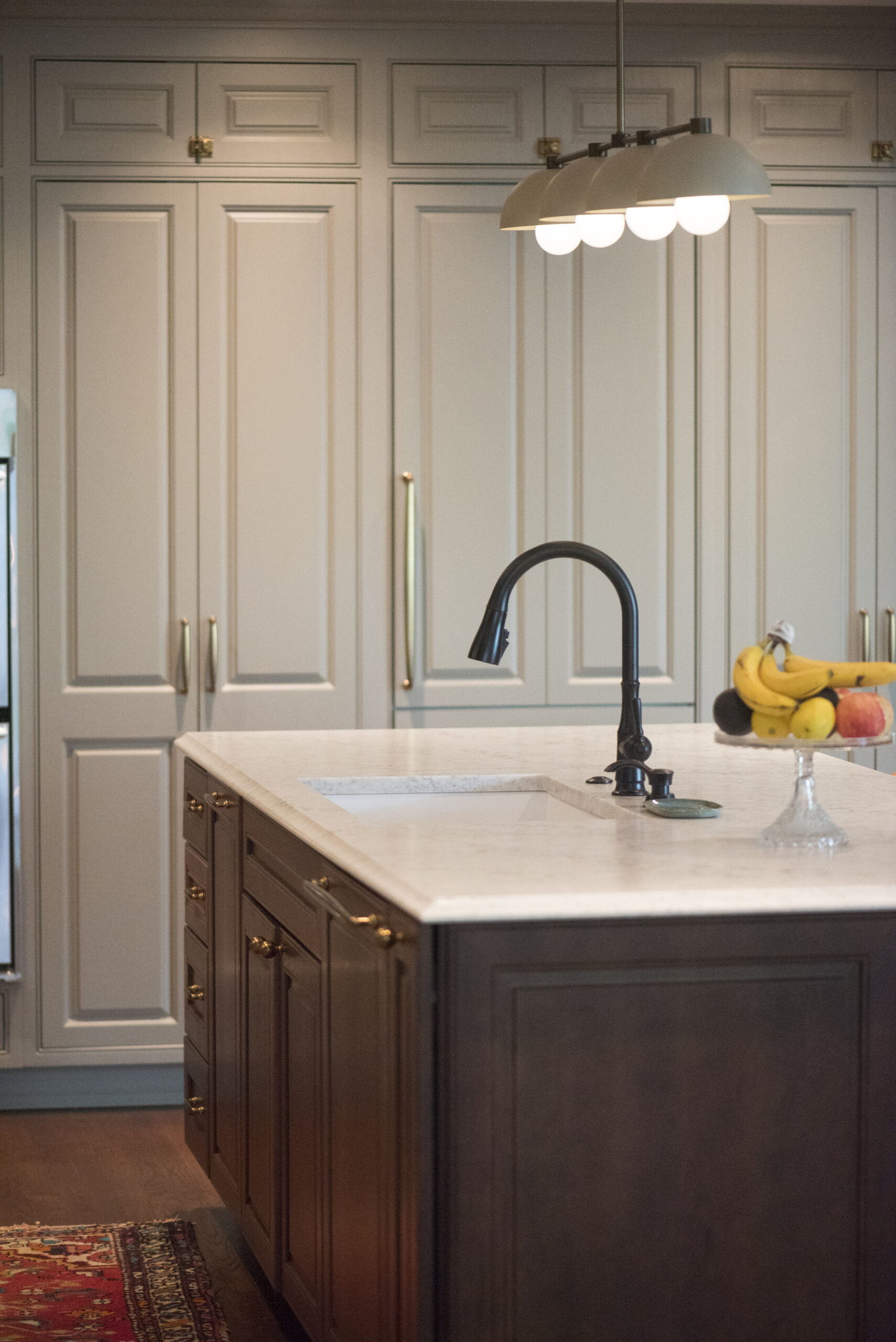
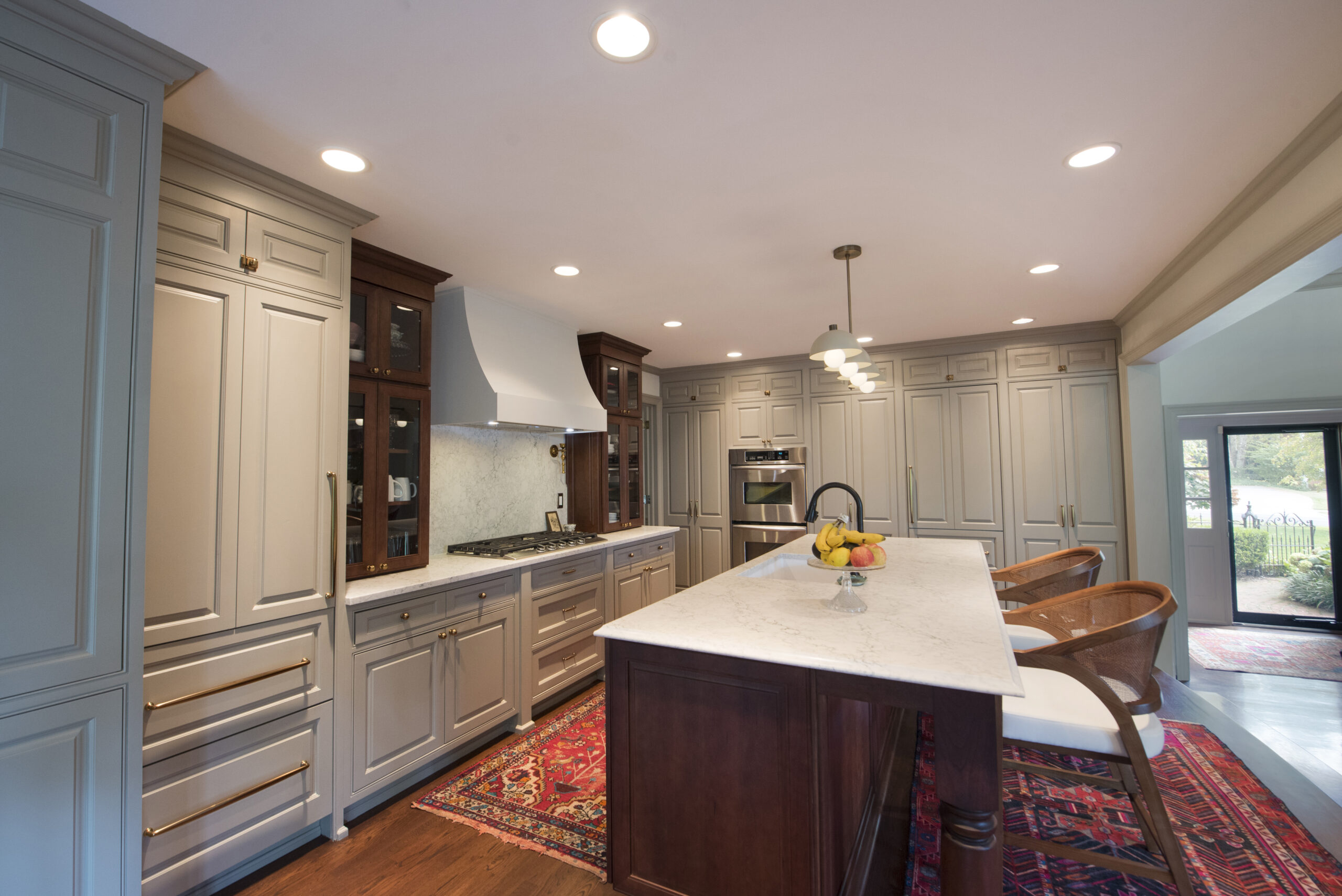
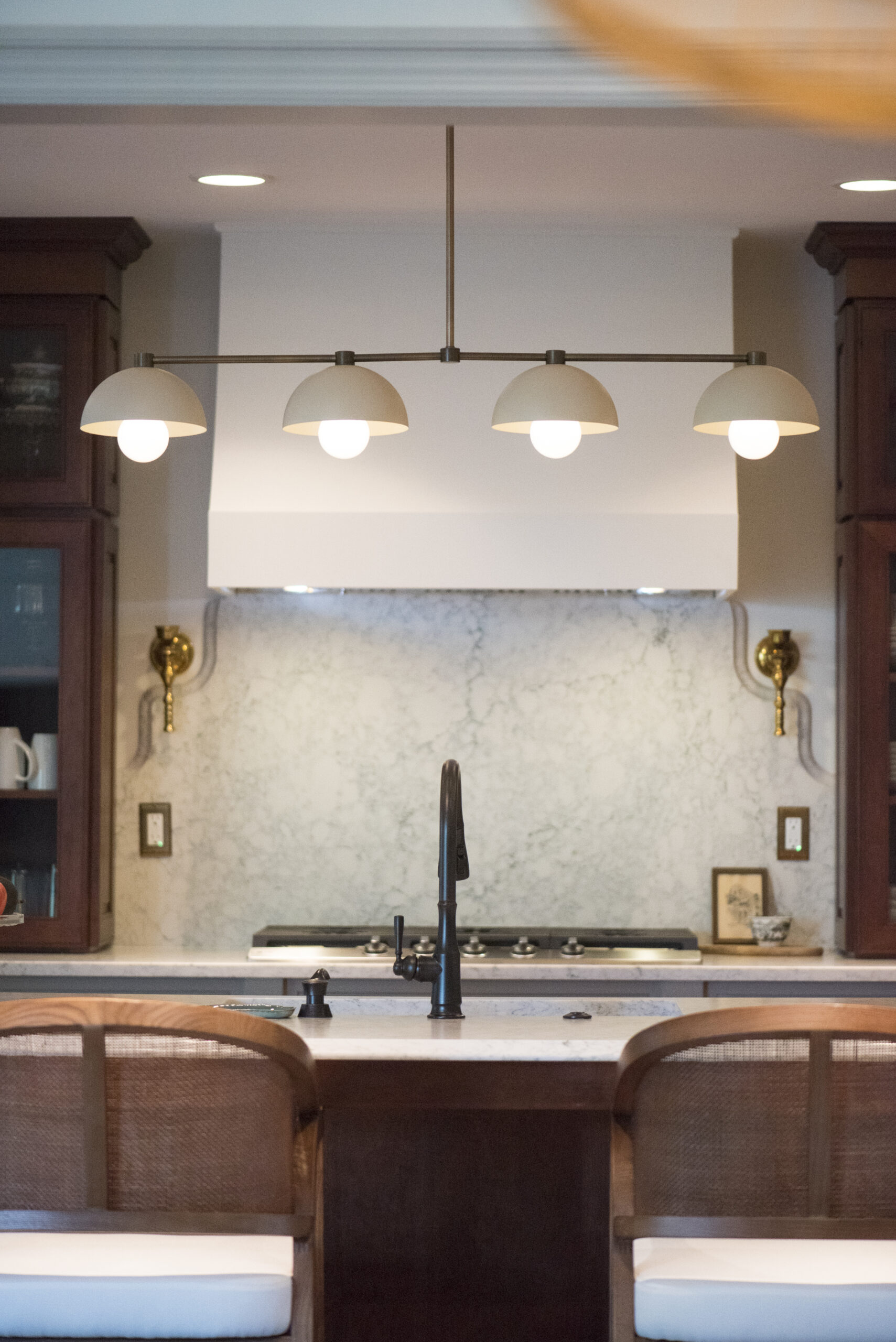
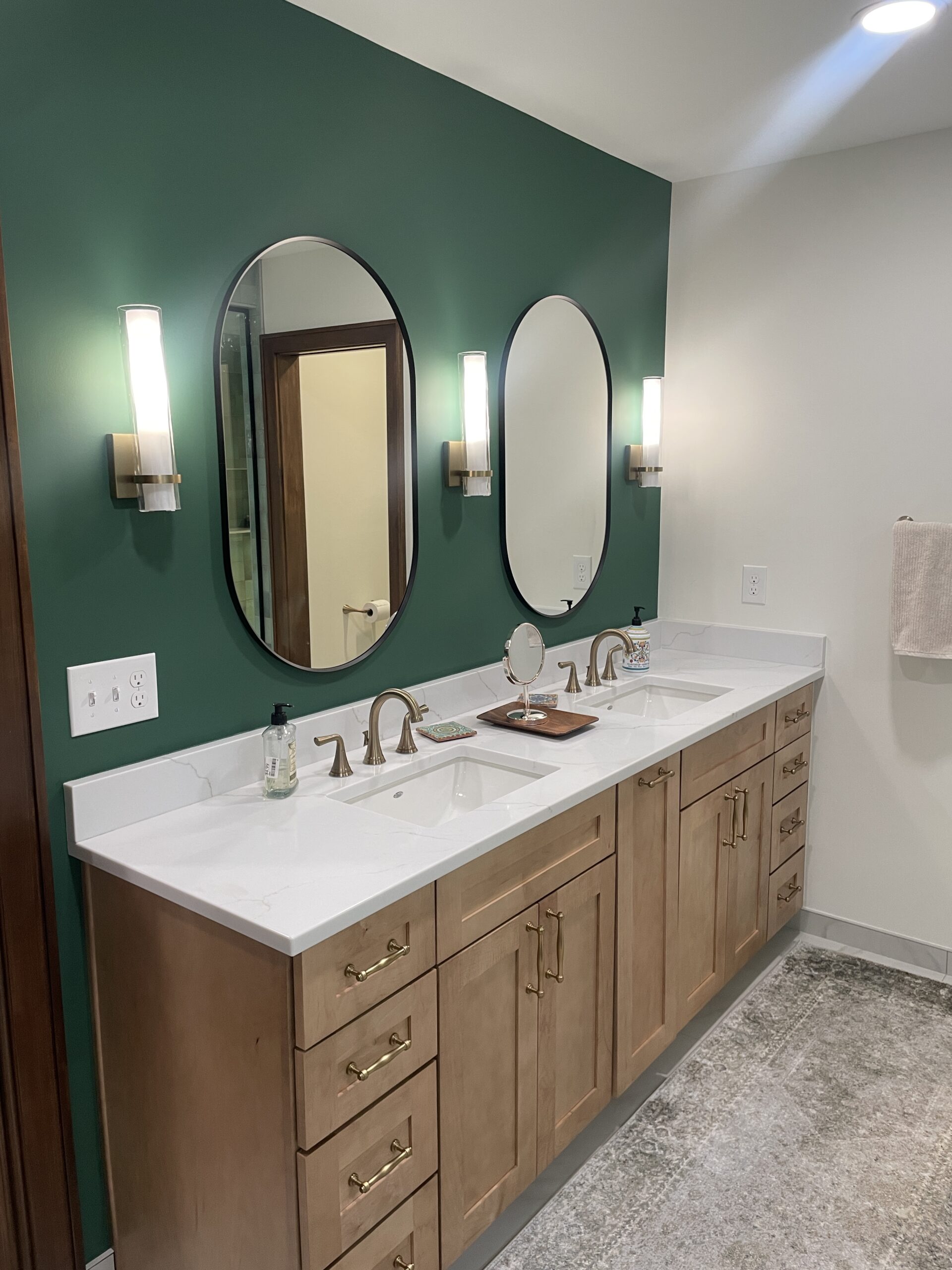
We’re excited to share this beautifully refreshed home, where classic details meet modern updates. In the kitchen, painted perimeter cabinets, refinished hardwood floors, a decorative island, and Cambria quartz countertops create a bright, functional, and timeless space. Updated hardware, a new sink and faucet, and custom lighting complete the look. The bathroom also received a thoughtful update with new cabinetry, countertops, fixtures, and accessories that enhance both style and everyday use.

See Full Gallery

Home Addition

Lewis Center

Adding an addition to an 1800s farmhouse was an exciting challenge for our team. The new space includes three bedrooms, including a primary suite, and two bathrooms, all designed to meet the family’s needs while seamlessly integrating with the original home.

The addition was thoughtfully set back to provide a quiet retreat for the young children, while the front facade maintains a cohesive, unified look. Inside, knotty wood trim, doors, and hand-crafted hardwood floors create a warm, rustic feel with subtle contemporary touches that carry throughout the home. Finishes were chosen to be both beautiful and investment-friendly, and the homeowner, a skilled carpenter, plans to add even more custom wood elements over time. The result is a perfectly tailored space that supports the family’s lifestyle now and for years to come.

See Full Gallery

Basement Renovation

Westerville

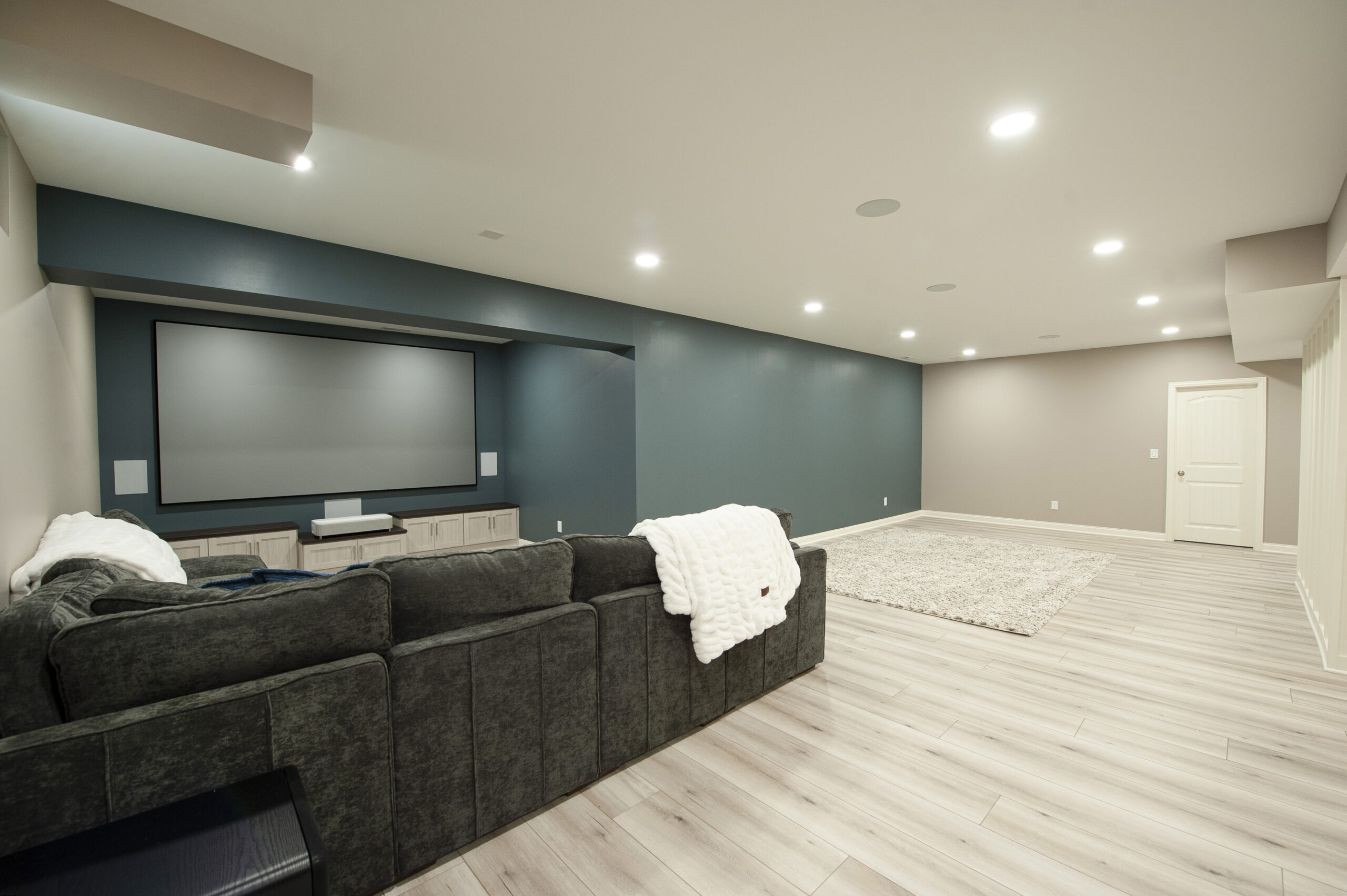
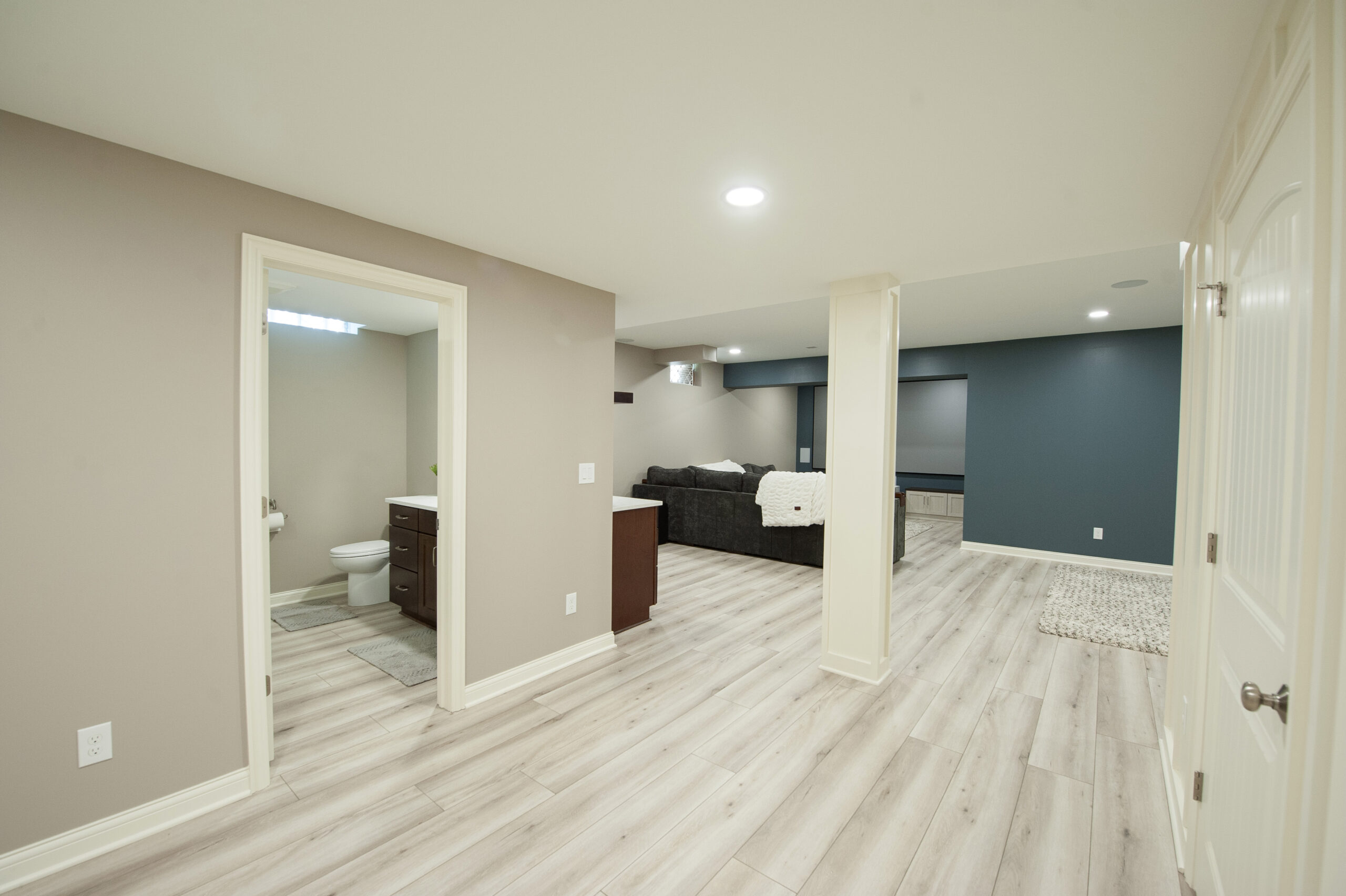
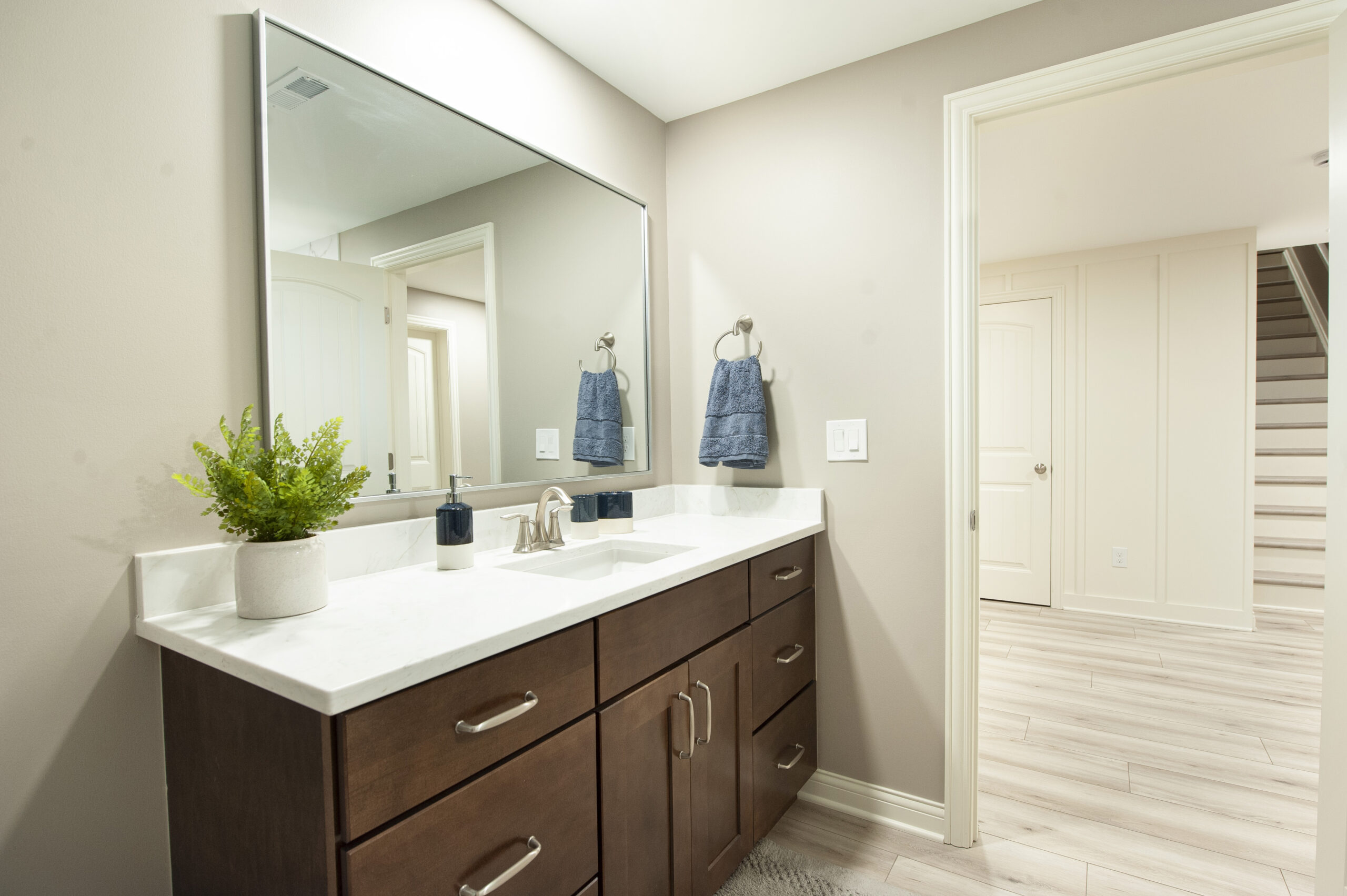
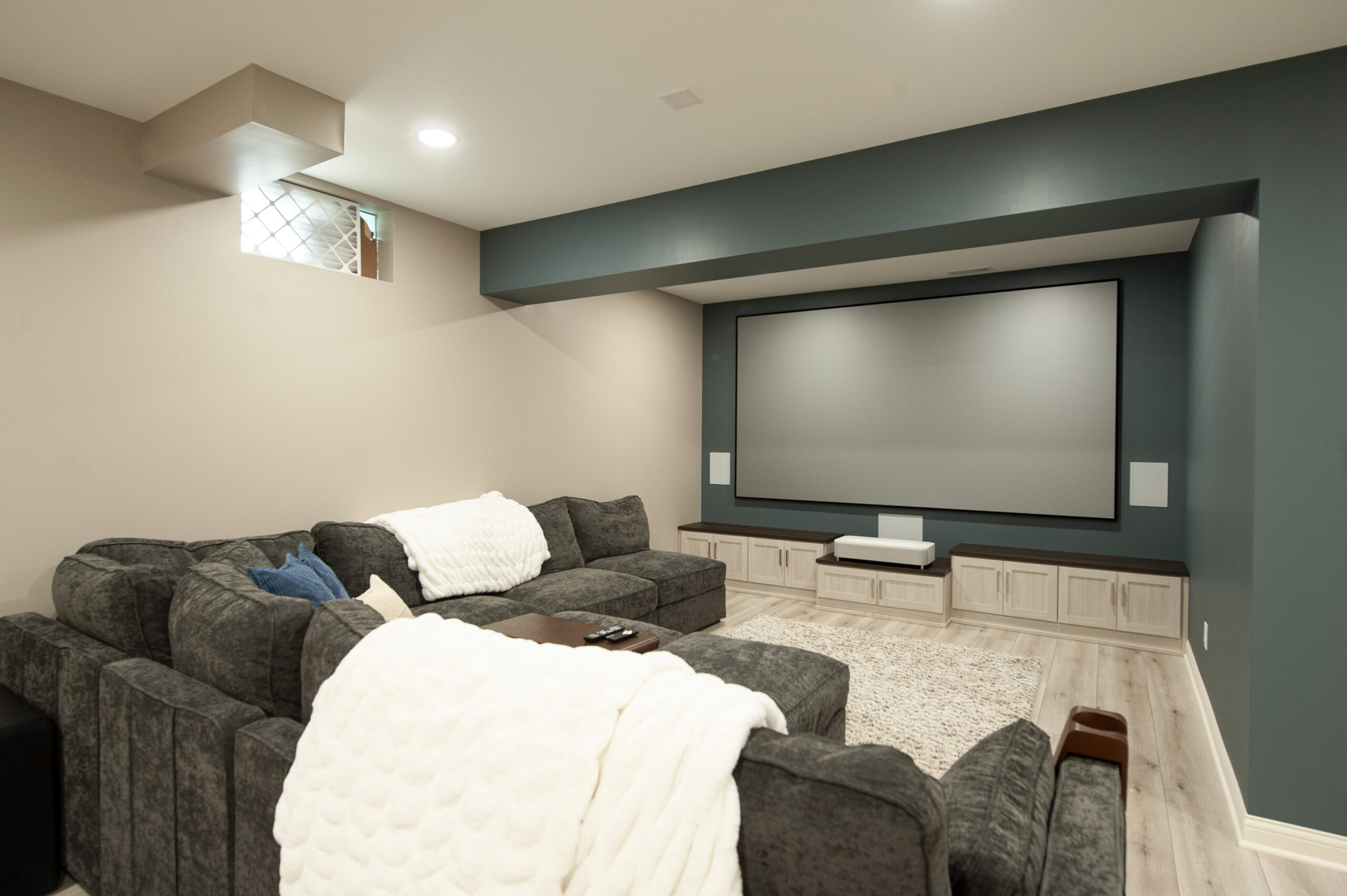
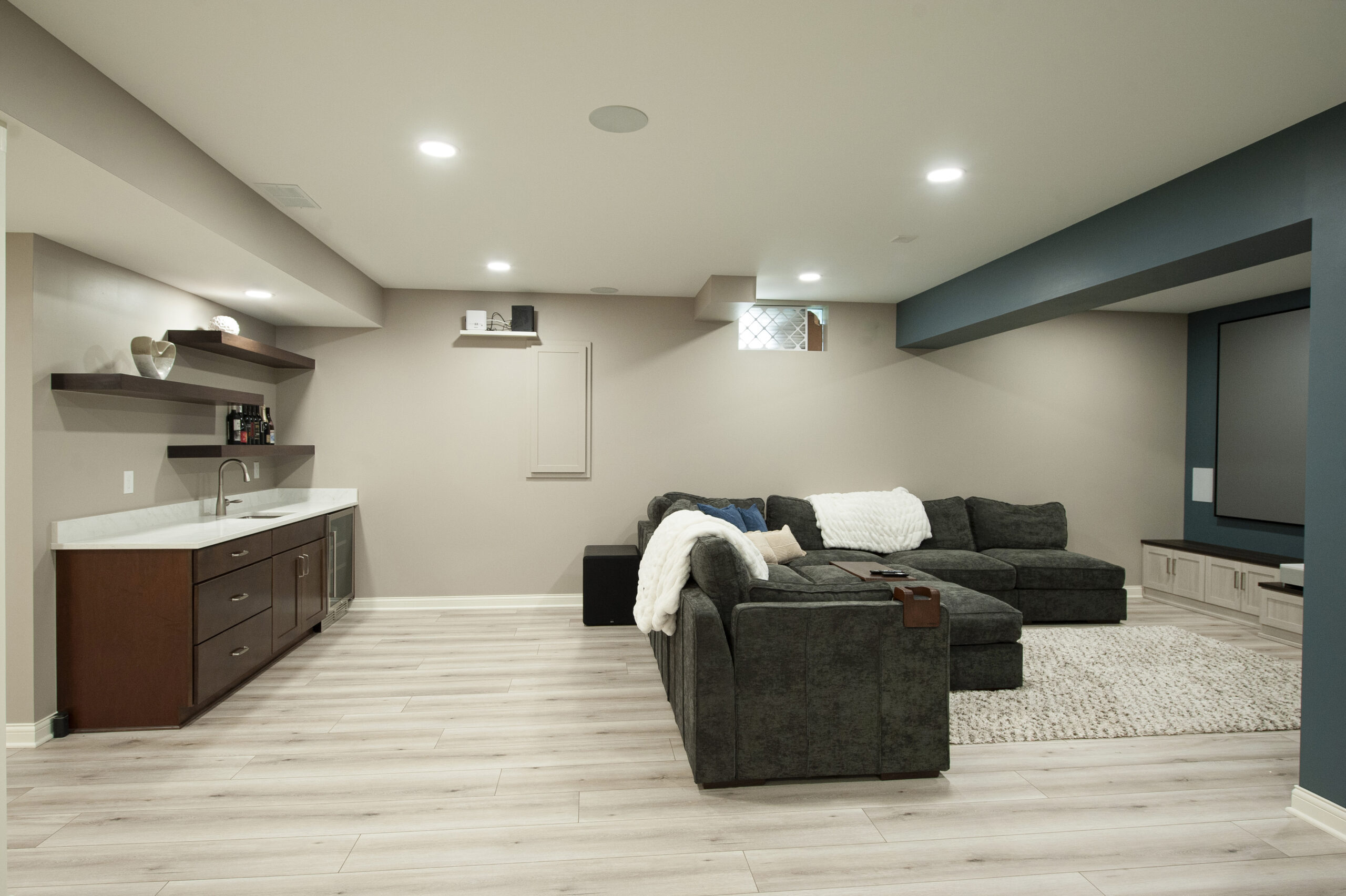
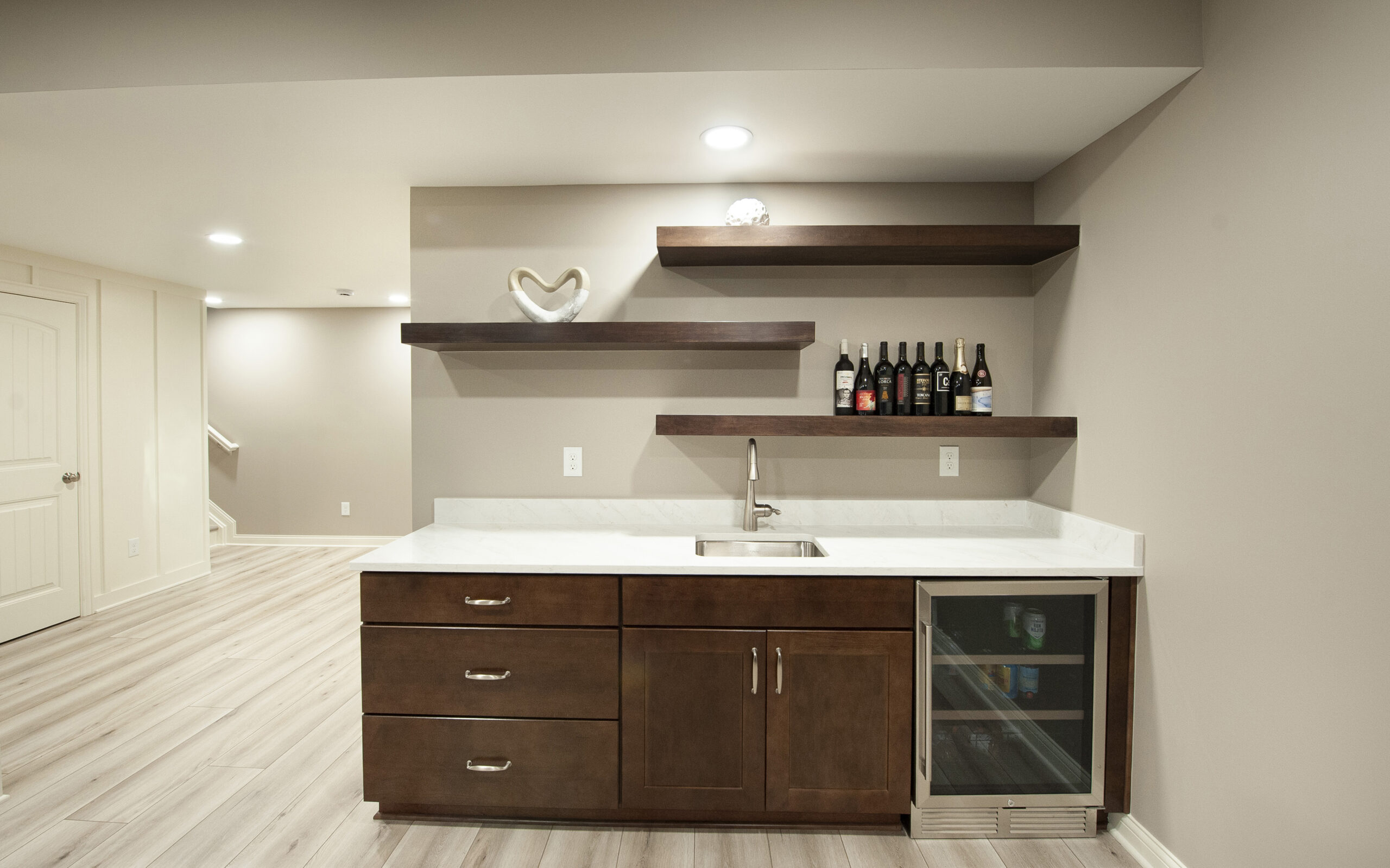
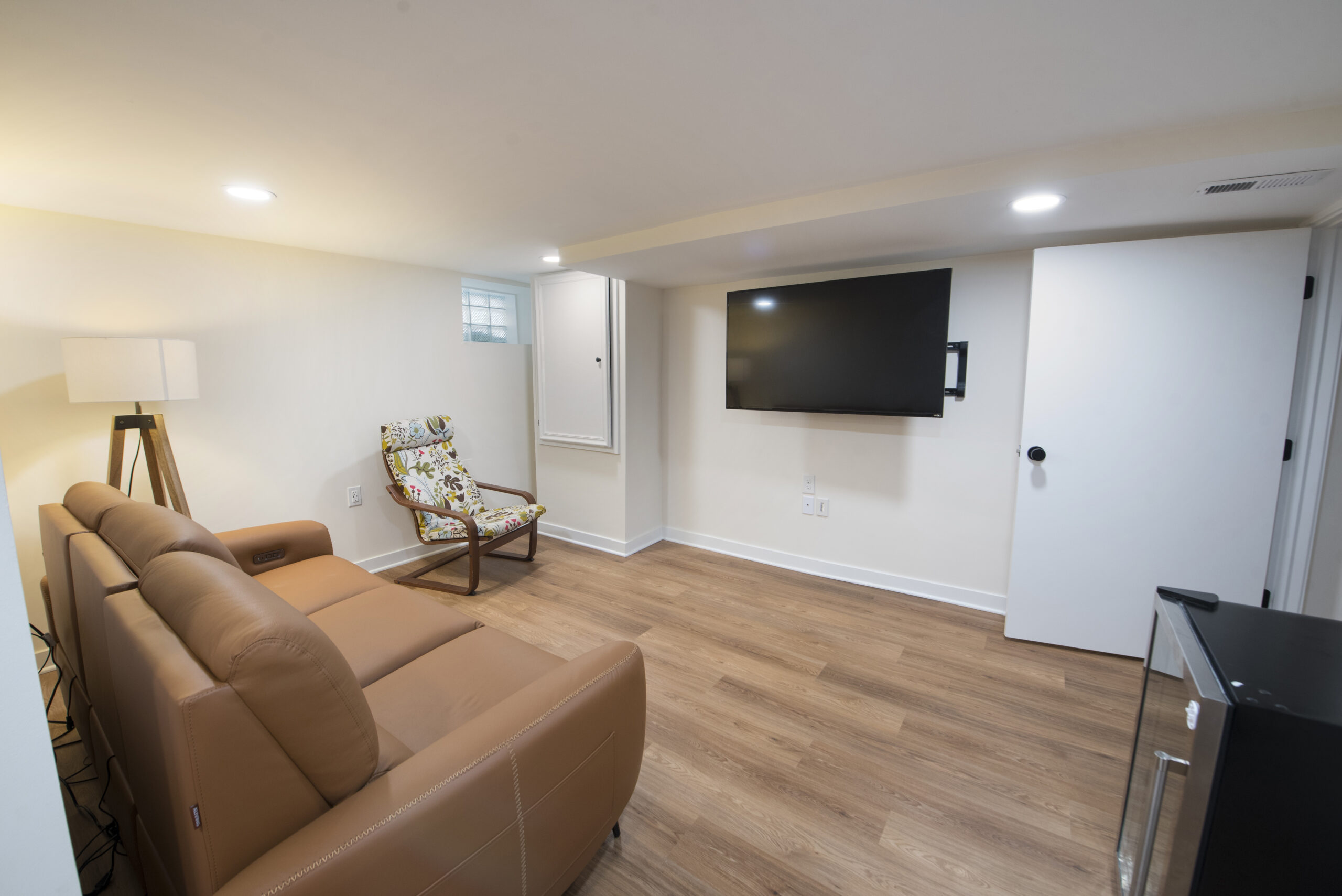
This project turned an unfinished lower level into a fully functional and inviting extension of the home. The new space now includes a large living area, wet bar, full bathroom, bedroom, game room, and workout area. Designed for both comfort and fun, it shows how thoughtful planning and quality craftsmanship can make the most of every square foot.

See Full Gallery

Kitchen Remodel

Columbus

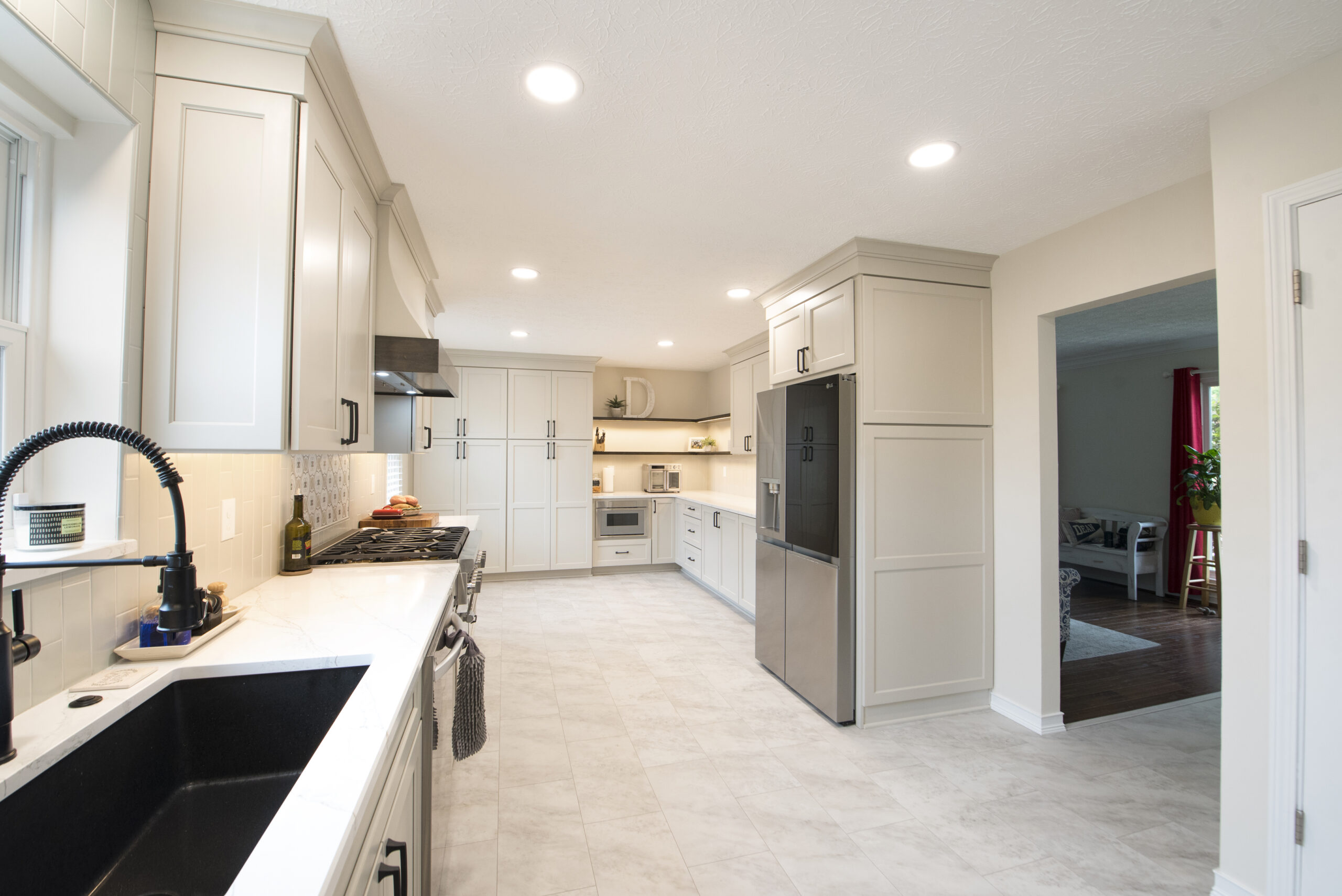
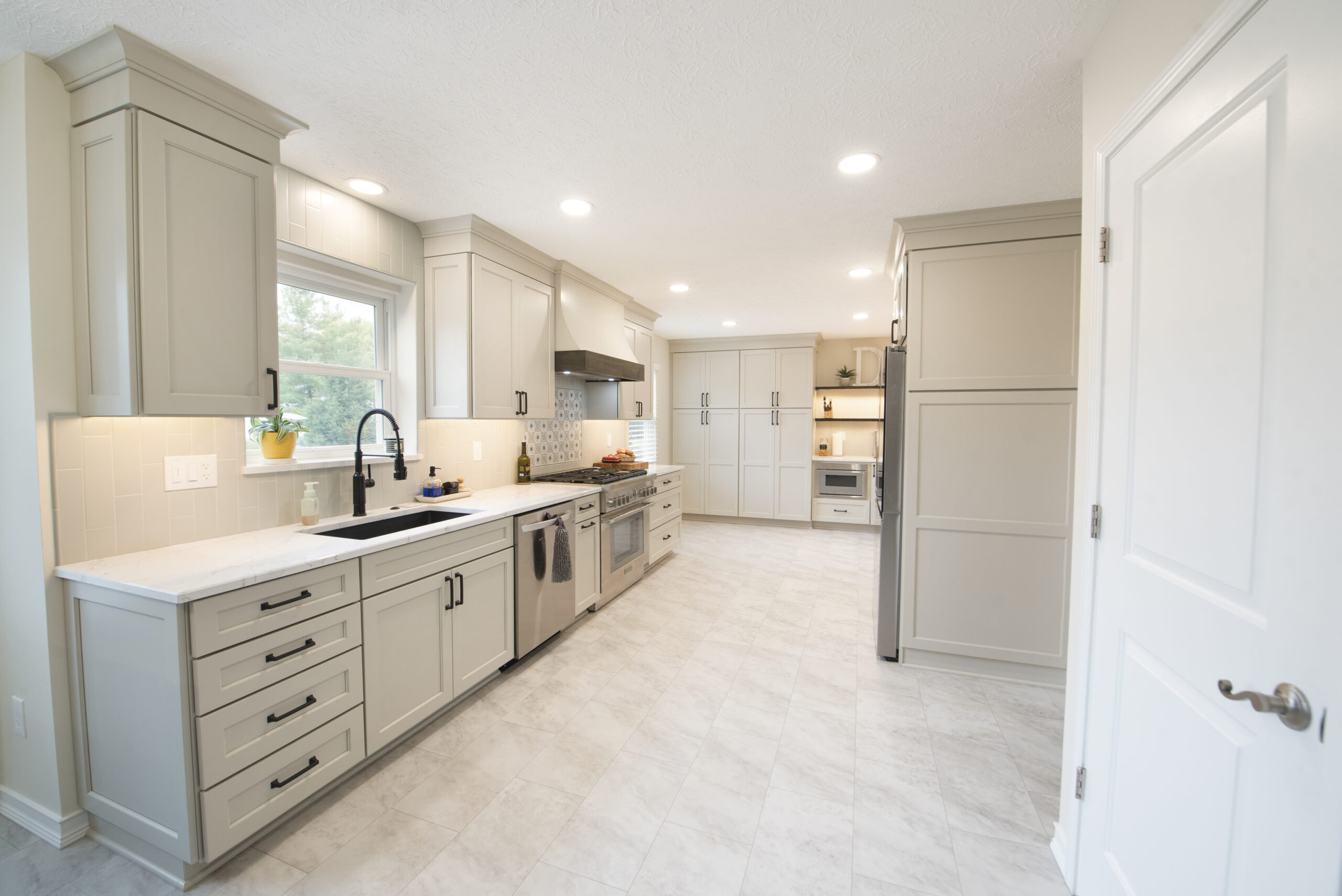
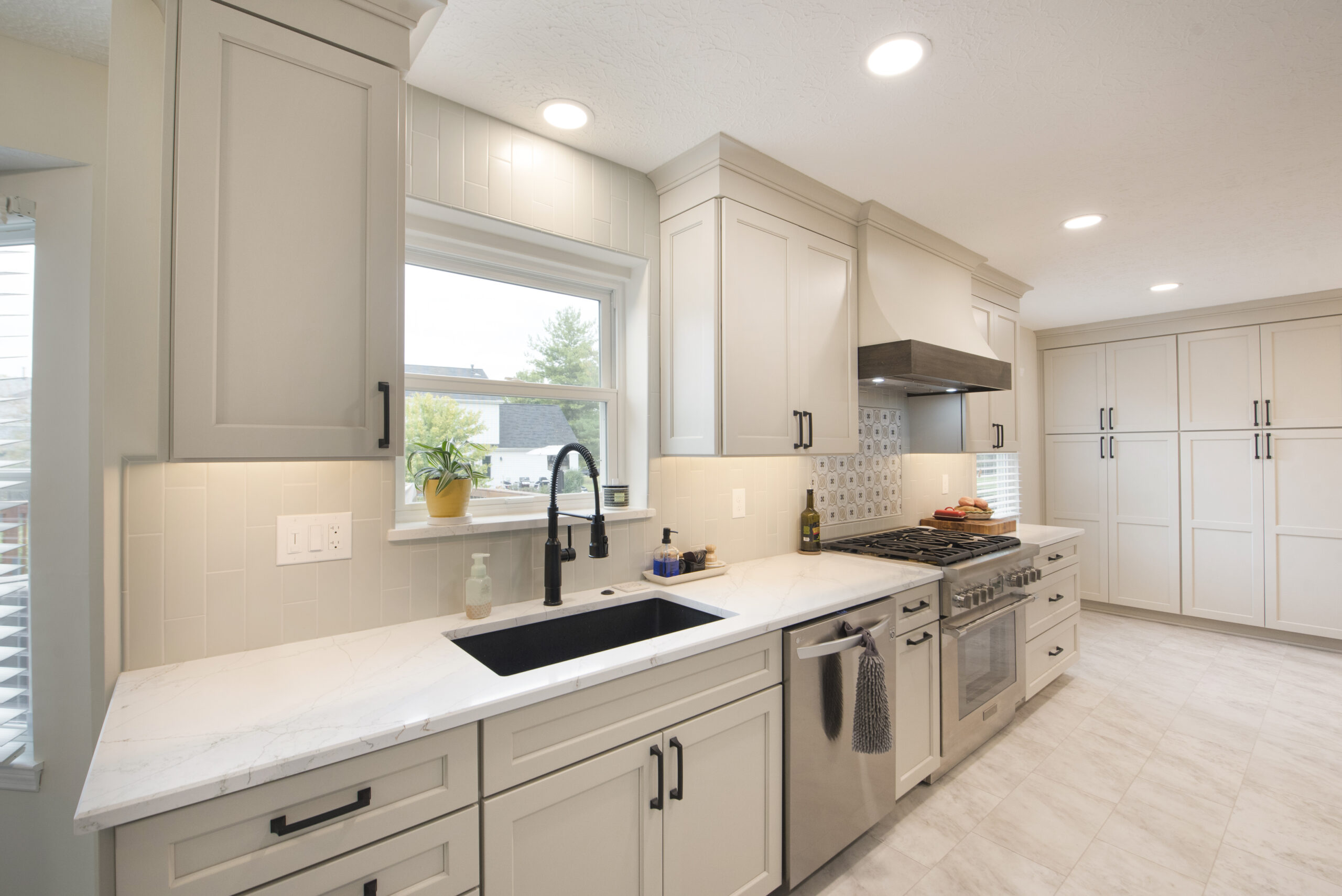
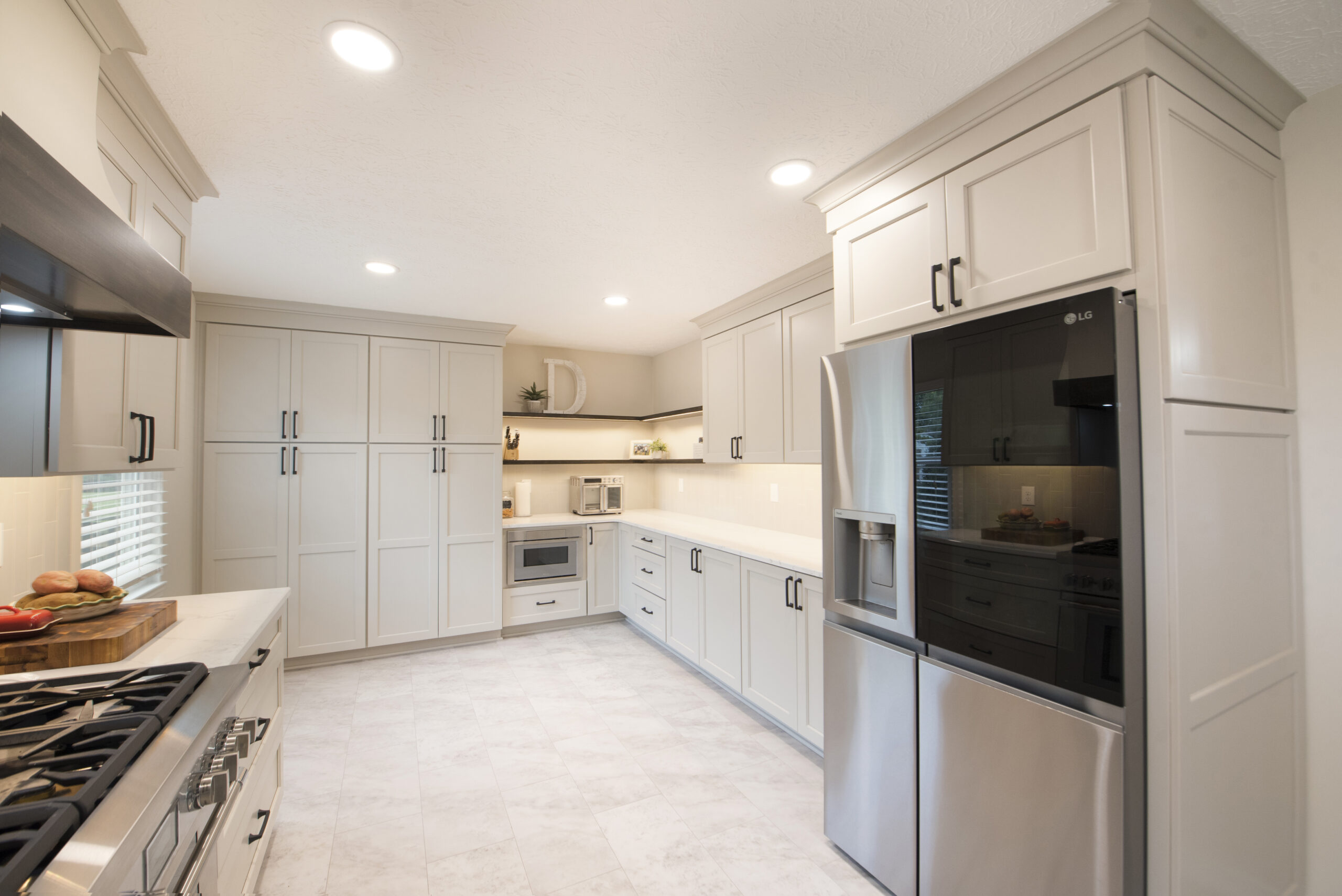
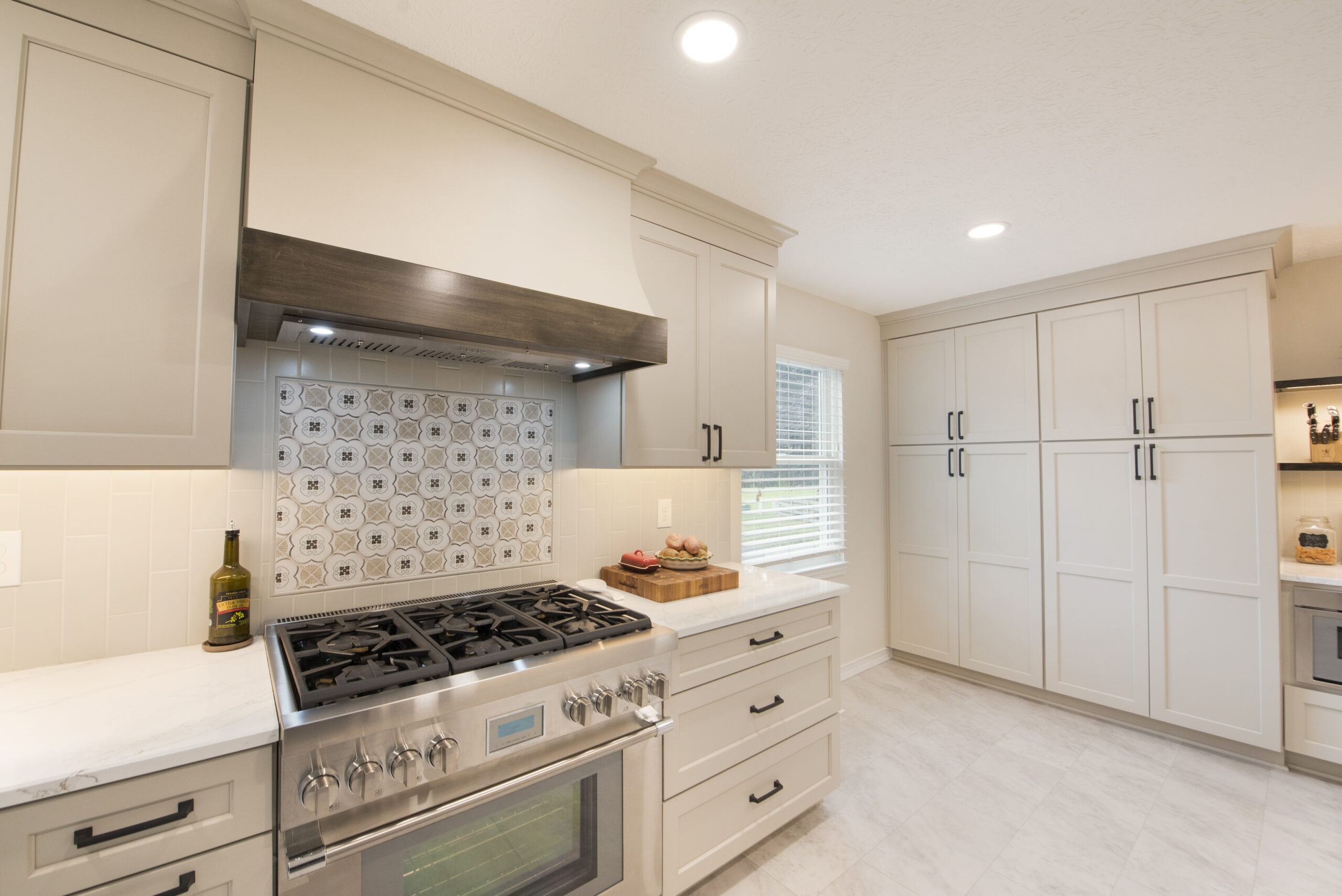
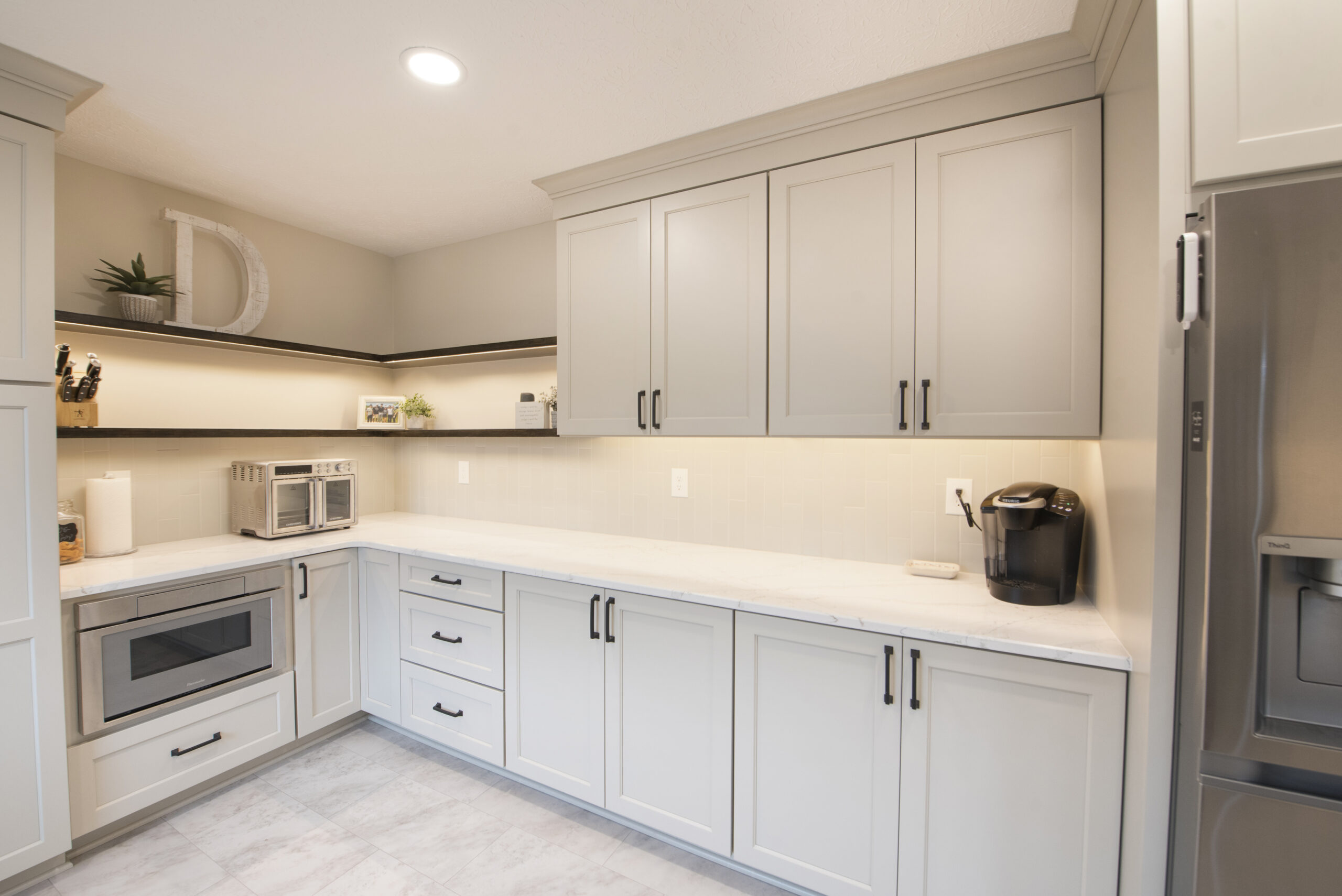
This kitchen received a full transformation, creating a brighter and more inviting space. We removed the old walk-in pantry and soffits to open up the room and let natural light reach every corner. The new cabinetry includes hidden storage inserts that keep everything organized, and the quartz countertops and tile backsplash create a clean, modern look. Black hardware and plumbing fixtures add a sharp contrast, while durable luxury vinyl tile gives the floors both beauty and practicality. The newly refinished stairs connect the whole space and create a warm, welcoming entry.

See Full Gallery

Primary Bath Remodel

Dublin

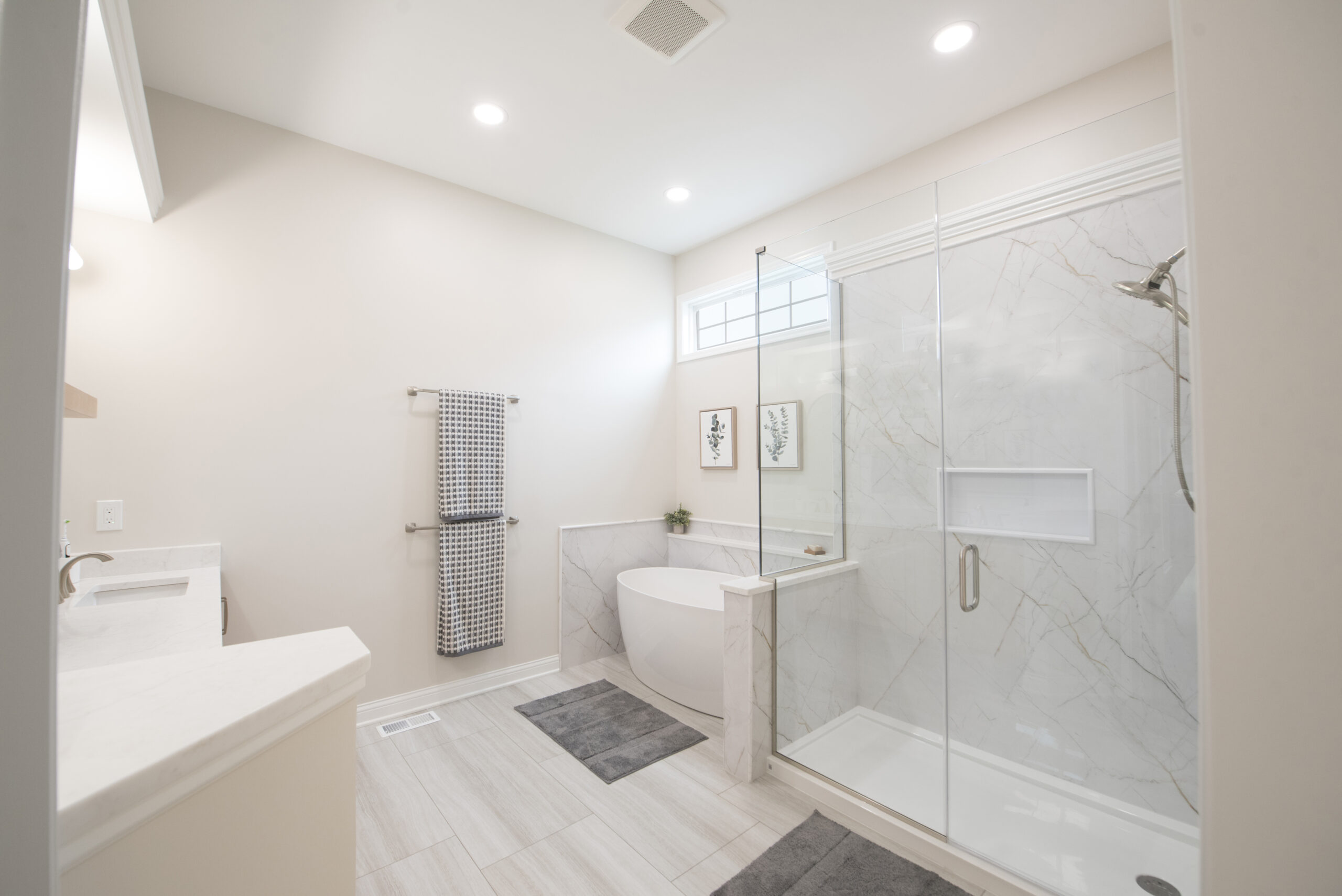
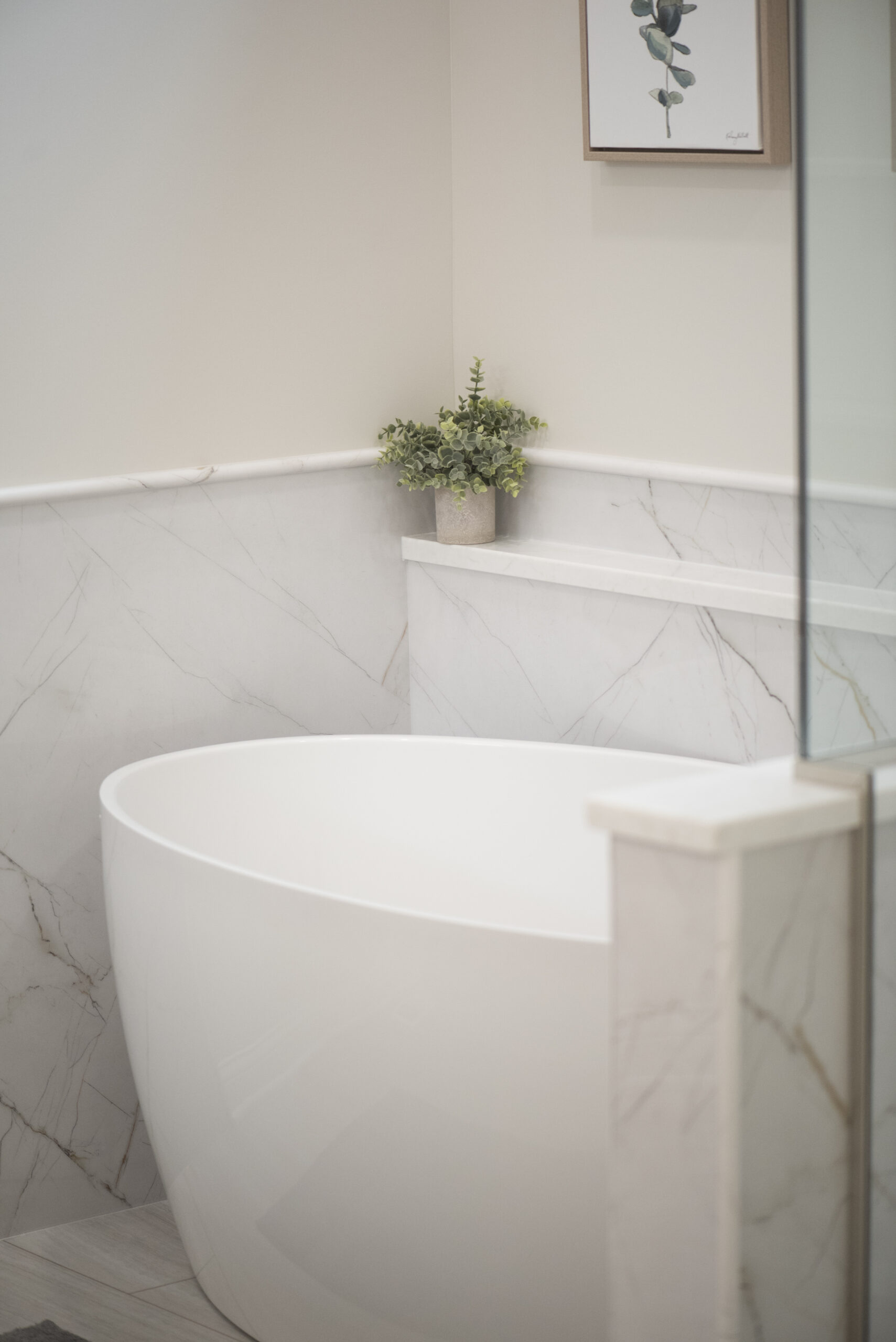
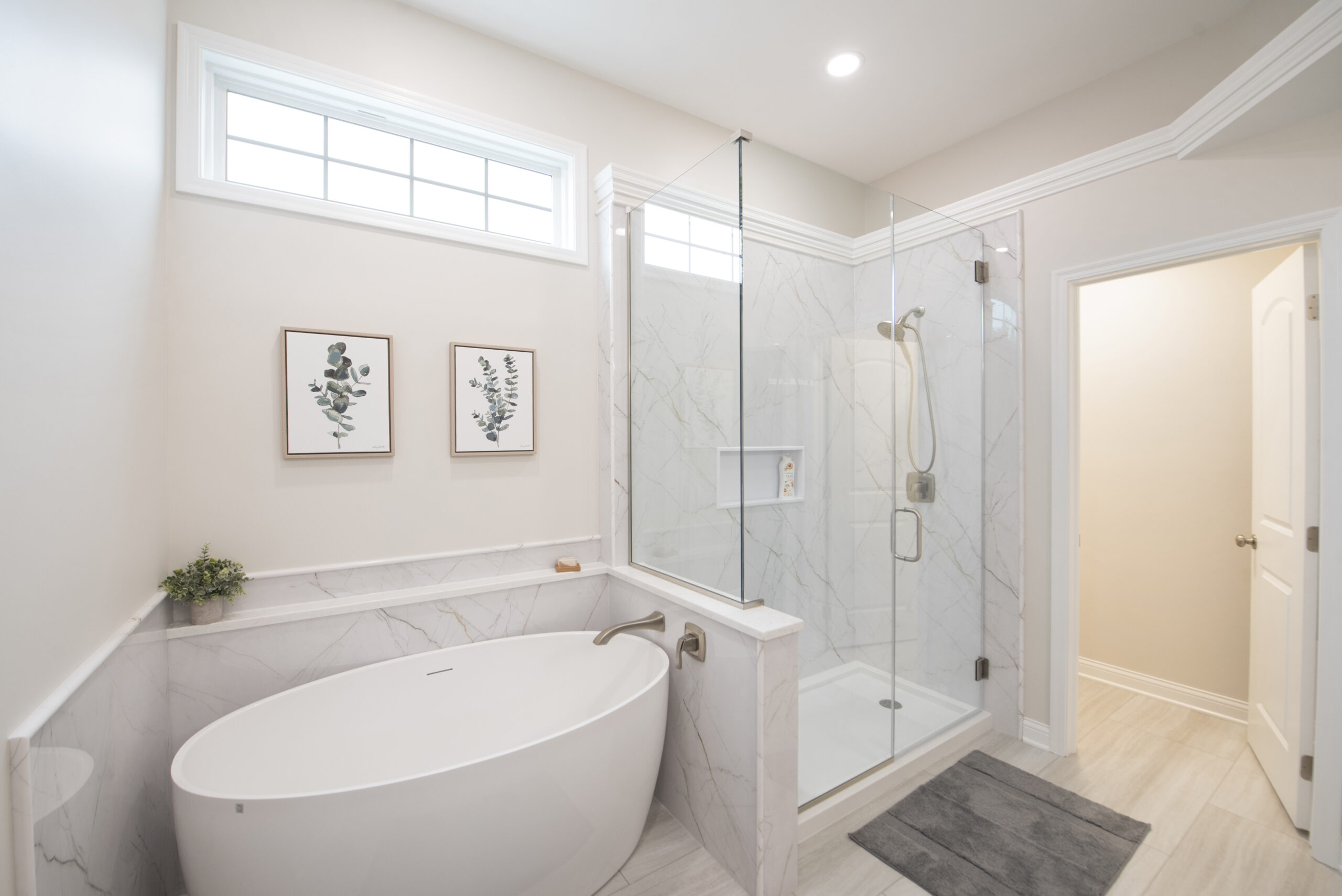
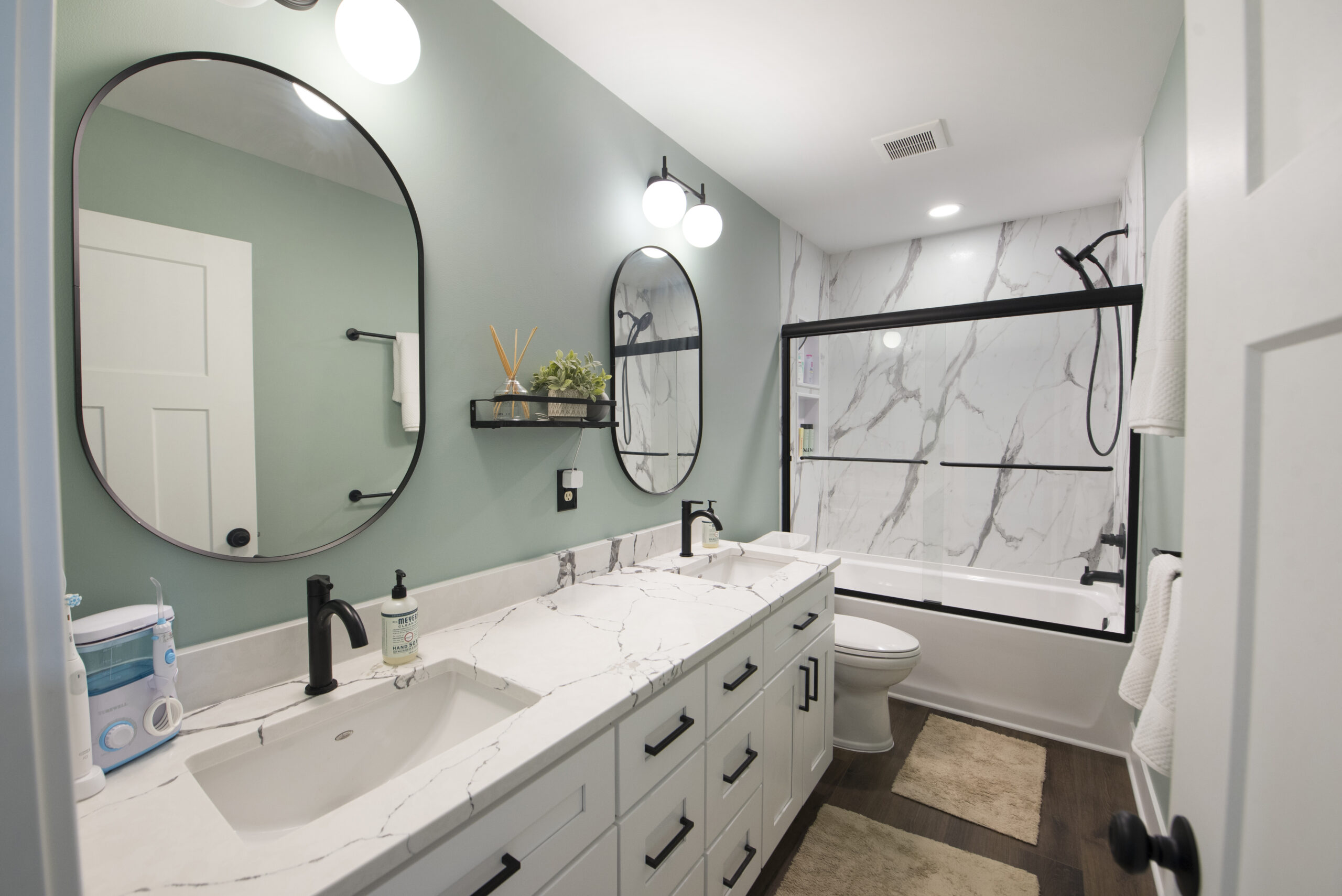
This primary bathroom underwent a stunning transformation. The homeowners envisioned a clean, bright retreat where they could relax at the end of the day, with minimal cleaning and no grout lines to maintain. To bring that vision to life, we installed solid surface faux marble panels that wrap seamlessly around both the expanded shower and the new soaker tub, creating a smooth, elegant look. Large format LVT flooring enhances the sense of space and adds to the calm, spa-like atmosphere. The result is a beautiful, easy-to-maintain sanctuary designed for everyday comfort.

See Full Gallery

Want to See More?

The full gallery for each of these projects and more can be found right here on our website!

See Full Portfolio

Wishing You Happy Holidays and a Joyful 2026

Winter 2025

We hope you and your family have had a safe and healthy 2025. From our family to yours, we truly appreciate you, and look forward to a 2026 full of connection, craftsmanship, and community. 

As we approach the new year, if you are thinking about a remodel – or simply want to talk through an idea – our team would love to help you bring your vision to life.

Call Us Today

Continue reading

kitchen remodel

10 Common Kitchen Remodel Mistakes and How to Avoid Them

Your friends weren’t lying when they said their kitchen remodel went over budget. Most do. But understanding why gives you the power to avoid the same traps.

Why Kitchen Renovations Consistently Exceed Budgets

Here’s the uncomfortable truth: most Columbus homeowners planning a kitchen remodel underestimate costs by 20% to 40%. You start with a reasonable budget, confident you’ve done your research. Six months later, you’re far over budget and still making compromises.

This pattern repeats so consistently that it’s almost predictable. The problem isn’t that you’re bad at math or planning. It’s that kitchen renovations involve dozens of interconnected decisions, each with cascading cost implications that aren’t obvious until you’re committed.

Small choices compound quickly. You decide on slightly nicer cabinet hardware, adding cost. Then you realize your original countertop choice looks cheap next to those upgraded pulls. The backsplash you loved suddenly feels mismatched, requiring another costly adjustment. Before you know it, seemingly minor upgrades have consumed your entire contingency fund.

Hidden costs emerge constantly during demolition. That wall you wanted to remove? It’s load-bearing, requiring an engineer and beam installation. The plumbing doesn’t meet current code and needs updating. Your subfloor has water damage requiring replacement. These discoveries add thousands to your budget with zero aesthetic improvement to show for it.

Mistake #1: Inadequate Budget Planning and Contingency

Most people create kitchen budgets by researching average costs online, maybe getting a few quotes, then adding 10% for unexpected issues. This approach fails because it treats renovation as a predictable process when it’s actually full of variables specific to your home.

Your actual budget needs to account for more than just materials and labor. Permit fees in Columbus, temporary kitchen setup costs, eating out for weeks or months, storage for your belongings, and the inevitable change orders all need line items. Without this comprehensive view, you’re starting with an artificially low number.

The 10% contingency that seems reasonable barely covers one surprise. Industry professionals recommend 20% to 25% for renovations, especially in older Columbus homes where hidden problems are more likely. This cushion isn’t pessimism, it’s realism based on thousands of completed projects.

Financing decisions made under time pressure lead to expensive mistakes. When you run out of money mid-project, your options narrow to high-interest credit cards or rushing to sell investments at bad times. Planning your total budget including realistic contingency before starting prevents these desperate decisions.

Mistake #2: Choosing the Wrong Layout for Your Lifestyle

Kitchen layouts get chosen based on what looks good in magazines or what worked in someone else’s home. But your kitchen needs to function for your specific cooking habits, family size, and daily routines.

The work triangle concept gets applied blindly without considering whether you actually cook that way. If you’re mainly reheating and assembling meals, you don’t need the same layout as someone who spends hours preparing elaborate dinners. If multiple people cook together regularly, you need different traffic patterns than a single-cook household.

Island obsession creates problems in kitchens that don’t have adequate space. Columbus homes, especially older ones, often have kitchens that look cramped with an island even though every design photo shows one. The result is a beautiful island you constantly bump into, with cabinet doors that can’t fully open.

Insufficient counter space near your most-used appliances creates daily frustration. You need landing zones beside the refrigerator for unloading groceries, next to the stove for hot pans, and near the dishwasher for stacking dishes. Sacrificing these practical work surfaces for aesthetic choices means constantly juggling items with nowhere to set them down.

Storage planning based on Pinterest rather than your actual belongings leads to regret. That beautiful open shelving looks amazing but requires your dishes to be display-worthy and stay dust-free. Glass-front cabinets sound elegant until you realize you don’t want visitors seeing your mismatched storage containers.

Common layout mistakes Columbus homeowners make include:

  • Placing the sink too far from the dishwasher, creating water drips across the floor during loading
  • Installing the refrigerator where its door swing blocks the main traffic path through the kitchen
  • Creating a peninsula or island that interrupts the natural flow between kitchen and adjacent rooms
  • Designing a layout that looks great empty but becomes cramped when cabinet doors and appliances are actually open
  • Forgetting to plan for where people will sit, gather, or wait while someone cooks

Mistake #3: Selecting Materials Based on Appearance Alone

That gorgeous marble countertop or trendy concrete sink looks stunning in the showroom. But materials need to match your actual lifestyle, maintenance willingness, and Columbus climate conditions.

Countertop choices often prioritize looks over practicality. Marble requires immediate cleanup of acidic spills and regular sealing, which sounds manageable until you’re actually living with it. Butcher block needs oiling and can’t handle standing water. Even quartz, while durable, can discolor from certain cleaners. Understanding daily maintenance requirements prevents buyer’s remorse.

Flooring selected purely for aesthetics creates problems. That white tile looks incredible but shows every speck of dirt in a busy family kitchen. Hardwood adds warmth but scratches easily from dropped utensils and pet claws. Tile feels cold on feet during Ohio winters. Material choice needs to balance beauty with your tolerance for maintenance and imperfection.

Cabinet materials and construction quality vary dramatically at similar price points. Particle board with veneer looks fine initially but fails at hinge points and swells if moisture reaches it. Plywood construction costs more upfront but lasts decades longer in a kitchen environment with humidity and temperature changes.

Hardware finishes trend in and out of style, but you’re stuck with your choice for years. Oil-rubbed bronze was everywhere five years ago and now feels dated to many buyers. Choosing classic finishes over trendy ones prevents your kitchen feeling outdated quickly, protecting your home value.

Mistake #4: Underestimating the Disruption to Daily Life

You know intellectually that your kitchen will be unusable during renovation. But you probably haven’t thought through what that actually means for your daily routine, especially if you have kids or work from home.

Meal planning becomes exponentially harder without a functioning kitchen. That microwave and mini-fridge in the garage works for a week, maybe two. After a month of eating out, ordering delivery, or preparing meals with two burners and a toaster oven, you’re exhausted and significantly over budget on food costs.

Noise and dust affect your entire home, not just the kitchen. Demolition creates clouds of dust that settle everywhere despite plastic barriers. Saws, drills, and hammers make working from home nearly impossible. If you have young children napping or taking online classes, the disruption affects the whole family’s schedule.

Access to your home by contractors means adjusting your privacy and security expectations. Workers need entry early in the morning and may be there when you leave for work. You need secure storage for valuables and places the family can retreat to that aren’t active work zones.

Timeline optimism leads to poor planning. Your contractor says six weeks, so you plan around that. But weather delays, material backorders, or unexpected problems easily extend timelines by 50% or more. Planning for a longer disruption and being pleasantly surprised beats the alternative.

Ways to minimize disruption during your kitchen renovation:

  • Set up a functional temporary kitchen in another space with essential appliances and storage
  • Plan the timing around your family’s schedule, avoiding major holidays or school exam periods
  • Budget realistically for increased food costs from eating out and ordering delivery
  • Establish clear daily schedules with contractors for arrival, loud work hours, and cleanup
  • Create designated clean zones in your home where dust and construction traffic are prohibited

Mistake #5: Hiring Based Solely on Price

When you’re already stretched on budget, choosing the lowest bid feels responsible. But cheap contractors often cost more in the long run through poor workmanship, delays, and cutting corners you won’t notice until later.

Low bids usually signal something missing. Maybe they’re underestimating the work required and will hit you with change orders constantly. Perhaps they use inferior materials or subcontractors. They might lack proper insurance, putting you at financial risk if someone gets injured on your property.

Contractor vetting requires more than checking their website and reading a few reviews. You need to verify their license and insurance, check references from recent projects similar to yours, and see examples of their completed work in person, not just photos. This due diligence takes time but prevents expensive mistakes.

Communication style during the bidding process predicts the renovation experience. If they’re slow to respond, vague about timelines, or dismissive of your questions now, those problems intensify once they have your deposit. Pay attention to these warning signs before signing contracts.

Detailed contracts protect both parties but many homeowners skip reading them carefully. Vague scopes of work, unclear payment schedules, and missing warranty information create disputes later. Spending time on contract review upfront prevents conflicts during construction.

Mistake #6: Ignoring Lighting Until the End

Lighting gets treated as an afterthought in many kitchen remodel projects. You focus on cabinets, countertops, and appliances, planning to “figure out lighting later.” This sequence creates problems because electrical work needs to happen before finishes, and good lighting requires planning specific to your layout.

Overhead lighting alone creates a workspace with harsh shadows. When you’re standing at the counter, your body blocks light from the ceiling fixture, leaving your work surface dim. Under-cabinet lighting eliminates this problem but needs to be wired during construction, not added later.

Task lighting for specific work zones improves functionality dramatically. Pendant lights over an island provide focused light where you prep food or eat. Lights inside cabinets make finding items easier. Toe-kick lighting adds ambiance while helping you navigate safely at night.

Dimmer switches provide flexibility for different times of day and activities. Bright task lighting for cooking, softer ambient lighting for dinner parties, and nighttime navigation lighting all become possible with properly planned dimming controls throughout the space.

Natural light deserves consideration in your layout planning. If possible, orienting your main work area near windows reduces energy costs and makes cooking more pleasant. But you need window treatments that provide privacy without blocking light, which factors into your budget.

Mistake #7: Skimping on Storage Solutions

Standard cabinets provide basic storage but don’t maximize your space or organize contents effectively. The difference between a kitchen with smart storage and one with just boxes behind doors affects your daily experience significantly.

Deep cabinets require pull-out shelves to access items in back. Without them, you’ll never see or use anything behind the front row. Pull-outs cost more than fixed shelves but transform unusable space into functional storage you’ll actually use.

Vertical storage often goes overlooked in kitchen planning. Tall pantry cabinets, pull-out spice racks, tray dividers, and vertical plate storage multiply your capacity without expanding your kitchen footprint. These specialized organizers need to be planned during design, not retrofitted later.

Corner cabinets present challenges that lazy Susans or magic corner units solve. Standard corners waste significant space that’s technically accessible but practically useless. Spending extra on corner solutions returns value every time you easily access those areas.

Drawer organizers prevent the junk drawer phenomenon where utensils, tools, and miscellaneous items jumble together. Custom inserts for utensils, knives, spices, and cleaning supplies keep everything accessible and organized. These small investments compound into major daily convenience.

Smart storage solutions worth considering include:

  • Pull-out trash and recycling bins that hide waste while keeping it easily accessible
  • Appliance garages that keep small appliances accessible but hidden when not in use
  • Deep drawer storage for pots and pans instead of lower cabinets you have to crouch to access
  • Vertical dividers for baking sheets, cutting boards, and serving platters
  • Customized drawer inserts sized specifically for your dishes, utensils, and tools

Mistake #8: Following Trends That Don’t Match Your Home’s Style

Every year brings new kitchen trends that look amazing in design magazines. But transplanting ultra-modern minimalism into a 1920s Columbus bungalow or rustic farmhouse styling into a contemporary home creates visual discord.

Your kitchen should enhance your home’s existing architecture, not fight against it. A sleek handleless cabinet design feels wrong in a traditional colonial. Ornate crown molding looks out of place in a mid-century modern ranch. Understanding your home’s style guides appropriate choices.

Mixing too many styles dilutes the impact of your design. Combining farmhouse sink, industrial lighting, modern flat-panel cabinets, and traditional tile backsplash creates confusion rather than an intentional eclectic look. Choosing a clear direction and staying consistent throughout produces better results.

Trendy colors and finishes date quickly, potentially hurting resale value. All-gray kitchens felt fresh five years ago but now feel overdone to many buyers. Bold colored cabinets make a statement but may need repainting for resale. Classic neutrals with personality added through changeable elements provides more flexibility.

Consider the rest of your home’s finishes when selecting kitchen materials. If your home features warm wood tones throughout, cool gray cabinets might feel disconnected. Visual flow between spaces affects how your whole home feels, not just individual room aesthetics.

Mistake #9: Inadequate Electrical and Plumbing Planning

Modern kitchens use far more power than older electrical systems were designed to handle. Multiple appliances running simultaneously can trip breakers if your panel hasn’t been upgraded to accommodate the load.

Outlet placement requires thinking through where you’ll actually use small appliances. You need outlets for coffee maker, toaster, blender, stand mixer, phone charging, and more. Placing outlets too far apart or in inconvenient locations creates a tangle of extension cords that defeats the purpose of your beautiful new kitchen.

Dedicated circuits for major appliances prevent problems. Your refrigerator, dishwasher, microwave, and disposal each should have their own circuit. This prevents overloading and allows repairs without shutting down your entire kitchen.

Plumbing upgrades often get minimized to save costs, creating future problems. If your home has old galvanized pipes, replacing only the visible kitchen portions leaves deteriorating pipes elsewhere. Water supply lines to your refrigerator ice maker and pot filler need planning during construction.

Gas line considerations matter if you’re switching from electric to gas cooking or adding a gas range. Running gas lines requires permits and professional installation. Planning this early prevents delays once cabinets are installed and access becomes difficult.

Mistake #10: Unrealistic Timeline Expectations

Contractors provide estimated timelines based on everything going smoothly. But kitchen renovations rarely proceed without any hiccups. Material delays, permit issues, weather problems, and discovered complications all extend timelines.

Permit approval in Columbus varies by project scope and current city workload. What your contractor estimates as a two-week permit process might take four or five weeks during busy seasons. This delay happens before work even begins, pushing your entire timeline back.

Material lead times fluctuate significantly. Custom cabinets typically take six to twelve weeks from order to delivery. Appliances might ship quickly or be backordered for months. One delayed item can stall your entire project since installation happens in a specific sequence.

Sequencing requirements mean certain work must finish before the next phase starts. You can’t install countertops until cabinets are in place and settled. Backsplash comes after countertops. Final electrical and plumbing connections happen after finish materials are installed. Each phase takes time, and rushing creates problems.

Change orders extend timelines every time. When you decide mid-project to move an outlet, add a cabinet, or change tile, the contractor needs time to order materials and adjust the work sequence. Every change adds days or weeks to completion.

How to Actually Stay On Budget

Staying within budget requires discipline and strategy, not just good intentions. Columbus homeowners who successfully complete kitchen remodels without major overruns follow specific practices.

Get multiple detailed quotes from licensed contractors. Three to five bids give you a realistic range and help identify outliers. Detailed quotes broken down by category let you compare apples to apples and identify where you can make informed tradeoffs.

Make all your design decisions before construction starts. Every change order during construction costs more than the same choice made during planning. Committing to finishes, layouts, and fixtures before demolition prevents expensive mid-project changes driven by time pressure and limited options.

Track every expense in detail from day one. Spreadsheet tracking of quotes, actual costs, changes, and remaining budget shows you exactly where your money goes. This visibility helps you make informed decisions when tradeoffs become necessary.

Prioritize spending on things that affect daily function over pure aesthetics. Better quality cabinet boxes last longer than fancy hardware. Proper ventilation matters more than decorative range hood covers. Spending where it counts protects your investment.

Critical budget management strategies include:

  • Shopping for materials yourself when possible to compare prices and catch sales
  • Choosing semi-custom cabinets over fully custom to get good quality at moderate cost
  • Keeping the existing kitchen footprint to avoid moving plumbing and gas lines
  • Doing some demo work and finish painting yourself if you’re capable and willing
  • Selecting classic designs that won’t require updates in five years

Working with Columbus Remodeling Professionals

Choosing the right remodeling partner dramatically affects your project outcome. Columbus has numerous contractors, but quality and reliability vary significantly.

Experience with projects similar to yours in size, scope, and style matters. A contractor who specializes in large luxury kitchens might not be the best fit for a modest update. Similarly, someone who mainly does insurance restoration work might lack the design eye you want.

Local knowledge of Columbus building codes, permit processes, and reliable subcontractors streamlines projects. Contractors who regularly work with the city know which inspectors are picky about what, how to avoid common permit delays, and realistic timelines for approvals.

Communication throughout the project maintains your confidence and prevents surprises. Regular updates on progress, immediate notification of any problems or delays, and availability to answer questions makes the disruption manageable.

Portfolio review should include recent completed projects you can ideally visit in person. Photos are easily curated to show only the best work. Seeing completed kitchens and talking to recent customers reveals how the contractor handles challenges and whether clients are satisfied months after completion.

Local Support That Helps You Move Forward

If you’re planning a kitchen remodel in the Columbus area, working with contractors who understand both the technical requirements and the design elements that make kitchens functional creates better outcomes.

We’ve seen every mistake listed in this article play out in Columbus homes. We’ve also helped homeowners avoid these pitfalls through careful planning, realistic budgeting, and attention to the details that make kitchens work for how families actually live.

Your kitchen renovation shouldn’t be a source of stress and regret. With proper planning, realistic expectations, and the right contractor partner, the process becomes manageable and the results transform your daily life.

Ready to discuss your kitchen project with a team that prioritizes doing it right over doing it fast or cheap? Contact Pat Scales Remodeling to schedule a consultation. We’ll walk through your space, listen to your vision, and provide honest guidance on what’s possible within your budget and timeline. Let’s create a kitchen you’ll love using every day, not just looking at in photos.

flooring

Flooring Choices That Work Best in Kitchens

Choosing the right kitchen flooring is more than style; it’s about durability, comfort, and fitting your family’s lifestyle. This guide breaks down the best options for your home.

Choosing kitchen flooring ranks among the most critical decisions in any remodel. You’re selecting a surface that endures spills, dropped dishes, pet claws, chair scrapes, and constant foot traffic. Get it wrong, and you’ll regret it every single day. Get it right, and you’ll forget you even made the decision because everything just works.

Columbus homeowners face unique challenges here. Ohio’s humidity swings from bone-dry winter heating to sticky summer moisture. Your flooring needs to handle these extremes without warping, cracking, or developing gaps. The material that works beautifully in Arizona might fail spectacularly in German Village.

Let’s break down which flooring options actually deliver on their promises and which ones create headaches you don’t need.

Why Your Kitchen Floor Deserves Serious Thought

Your kitchen floor takes more abuse than any other surface in your home. Think about what happens there daily. Water splashes from the sink. Grease splatters during cooking. Kids drop juice boxes. Dogs track in mud after backyard adventures.

The wrong flooring choice creates ongoing problems. Some materials stain permanently. Others scratch easily or feel uncomfortable underfoot during long cooking sessions. Certain options amplify noise, turning every footstep into an announcement heard throughout your house.

Resale value depends heavily on flooring quality. Buyers in Upper Arlington, Bexley, and Clintonville expect kitchens with durable, attractive floors. Cheap materials that show wear signal deferred maintenance and lower offers.

Your lifestyle matters more than trends. A family with three kids and two dogs needs different flooring than empty nesters who entertain frequently. Be honest about how you actually live, not how you wish you lived.

Hardwood Flooring: Classic Appeal with Trade-Offs

Hardwood brings warmth and timeless beauty that never goes out of style. Real wood floors add genuine value because buyers recognize quality when they see it.

The appeal is undeniable. Hardwood creates visual continuity when your kitchen flows into dining or living areas. It works with virtually any cabinet style, from traditional oak to contemporary white lacquer. The natural grain patterns mean no two floors look identical.

Maintenance requires commitment. Water is hardwood’s enemy. Spills need immediate cleanup, not “I’ll get to it after dinner” treatment. Standing water causes staining, warping, and permanent damage. If you’re prone to letting dishes pile up or kids leave sippy cups everywhere, hardwood might frustrate you.

Refinishing becomes necessary every 7-10 years in high-traffic kitchens. The good news? You can sand and refinish hardwood multiple times over its lifetime, essentially creating new floors without replacement costs.

Ohio’s humidity creates specific challenges. Hardwood expands and contracts with moisture changes. Proper acclimation before installation and maintaining consistent indoor humidity levels prevent gapping in winter and cupping in summer. Skip these steps, and you’ll see problems within the first year.

Engineered hardwood offers more stability than solid wood. The layered construction resists moisture-related movement better while still providing authentic wood appearance. This option makes sense for Columbus kitchens where humidity control isn’t perfect.

Tile Flooring: The Durability Champion

Ceramic and porcelain tile dominate kitchen installations for good reason. These materials handle everything you throw at them, literally.

Water resistance is tile’s superpower. Properly installed tile with sealed grout lines creates a waterproof barrier. Flooding from dishwasher leaks or broken pipes won’t ruin your floor. You can mop aggressively without worry.

Durability exceeds most alternatives. Porcelain tile can last 50+ years with minimal maintenance. It doesn’t scratch, dent, or stain easily. Hot pots placed directly on tile won’t damage it. This longevity makes tile cost-effective despite higher initial investment.

The variety available now is staggering. Tile that mimics wood planks, natural stone, concrete, or geometric patterns. Large format tiles minimize grout lines for easier cleaning. Textured surfaces provide slip resistance for safety.

Comfort presents the main drawback. Tile feels hard and cold underfoot. Standing for extended cooking sessions can fatigue your legs and back more than softer materials. Dropped dishes and glasses shatter rather than bounce. Radiant floor heating solves the cold issue but adds installation costs.

Grout maintenance requires attention. Even sealed grout eventually stains and needs cleaning. Dark grout hides dirt better than white but limits your design flexibility. Epoxy grout costs more initially but resists staining far better than standard cement grout.

Consider these tile advantages for busy kitchens:

  • Completely waterproof when properly installed with sealed grout
  • Resists scratches from pet claws and dragged furniture
  • Handles temperature extremes without damage
  • Available in endless colors, patterns, and sizes
  • Works beautifully with radiant heating systems

Vinyl Flooring: Budget-Friendly Performance

Modern vinyl flooring bears little resemblance to the cheap sheet vinyl from decades past. Today’s luxury vinyl plank (LVP) and luxury vinyl tile (LVT) offer impressive durability and realistic appearances.

Affordability makes vinyl accessible. Columbus homeowners working with tight budgets can achieve beautiful results without sacrificing quality. Vinyl that convincingly mimics hardwood or stone costs a fraction of the real materials.

Installation speed keeps projects moving. Many vinyl products use click-lock systems that go down quickly over existing floors. This efficiency reduces labor costs and minimizes kitchen downtime during remodels.

Water resistance ranks high with vinyl. Quality vinyl flooring handles spills, splashes, and humidity without damage. Some products are completely waterproof, making them perfect for homes with kids who seem magnetically attracted to making messes.

Comfort underfoot exceeds tile and hardwood. Vinyl provides slight cushioning that reduces fatigue during long cooking sessions. It feels warmer than tile and quieter than hardwood. Dropped dishes have better survival odds on vinyl than harder surfaces.

Durability varies significantly by quality level. Cheap vinyl shows wear quickly in high-traffic areas. Premium vinyl with thick wear layers lasts 15-20 years even in busy kitchens. Check wear layer thickness when comparing options. Residential vinyl should have minimum 12-mil wear layers, preferably 20-mil for kitchens.

Temperature extremes can affect vinyl. Direct sunlight through large kitchen windows may cause fading or expansion. Quality products resist this better, but it’s worth considering if you have south-facing windows.

Laminate Flooring: Solid Middle Ground

Laminate walks the line between affordability and performance. It looks similar to hardwood but costs less and requires easier maintenance.

Construction creates durability. Laminate consists of compressed wood fibers topped with a photographic layer and protective coating. This structure resists scratches and dents better than real hardwood while maintaining attractive wood-grain appearances.

Moisture remains laminate’s weakness. Standing water can seep into seams, causing irreversible swelling and buckling. Laminate works fine for careful homeowners who clean spills immediately. Families with young children or homes prone to appliance leaks should consider more water-resistant options.

Modern laminate has improved significantly. Water-resistant versions with sealed edges offer better protection than older products. Some manufacturers now produce waterproof laminate using different core materials, though these cost more.

Installation ease matches vinyl. Click-lock systems make laminate DIY-friendly, though professional installation ensures best results. Laminate flooring sits on underlayment rather than being glued down, making future replacement straightforward.

Cork and Bamboo: Eco-Conscious Alternatives

Environmentally focused homeowners increasingly consider cork and bamboo. Both materials offer sustainability benefits alongside practical advantages.

Cork provides exceptional comfort. The natural cushioning reduces fatigue during extended standing. Cork feels warm underfoot and provides natural insulation that reduces heating costs. The acoustic dampening quiets busy kitchens in open floor plans.

Cork’s antimicrobial properties resist mold and mildew naturally. This matters in humid Columbus summers when moisture management becomes challenging.

Durability concerns require attention. Cork dents under heavy furniture and shows wear in high-traffic paths. Regular sealing every few years maintains water resistance. Without proper maintenance, cork degrades faster than harder materials.

Bamboo offers hardwood-like durability from renewable resources. Bamboo grass regenerates far faster than hardwood trees, making it environmentally preferable. Strand-woven bamboo ranks harder than many hardwood species on the Janka scale.

Water resistance depends on quality and finish. Properly sealed bamboo handles kitchen moisture reasonably well. Like hardwood, bamboo requires prompt spill cleanup and consistent humidity levels.

Bamboo’s appearance divides opinions. The distinctive grain pattern and color variations appeal to some homeowners while others prefer traditional wood looks. Visit showrooms to see samples before committing.

Matching Flooring to Your Lifestyle

Your daily reality should drive flooring decisions more than Pinterest boards or design magazines.

Families with young children need forgiving surfaces. Kids spill constantly. They drop things. They track in dirt and food. Waterproof options like tile or quality vinyl make parenting easier. Save hardwood for when the kids are older and less destructive.

Pet owners face specific challenges. Dog claws scratch softer materials relentlessly. Accidents happen, especially with puppies or aging animals. Tile and luxury vinyl handle pet ownership better than hardwood or laminate. Cork dents from pet toenails, creating permanent divots.

Aging-in-place modifications prioritize safety. Slip-resistant flooring prevents falls that can devastate older adults. Textured tile, cork, or vinyl with slip-resistant coatings work well. Smooth, glossy tiles that look beautiful when dry become hazardous when wet.

Level thresholds between rooms prevent tripping hazards. Discuss transitions with your contractor to ensure smooth flow throughout your home. Walker and wheelchair users need completely flat transitions.

Entertainers want impressive aesthetics. If your kitchen serves as party central, appearance matters greatly. Large-format tile, wide-plank hardwood, or premium vinyl that mimics natural materials creates the wow factor guests notice.

Budget-conscious remodelers need value. Quality vinyl and laminate deliver attractive results without breaking budgets. These materials perform well enough for most families while leaving money for appliances, cabinets, or countertops.

Columbus-Specific Installation Considerations

Local climate and construction practices affect flooring performance significantly.

Seasonal humidity swings stress flooring materials. Winter heating drops indoor humidity to 20-30%, while summer can push it above 60%. Materials expand and contract with these changes. Professional installation accounts for this movement, leaving appropriate expansion gaps and using proper underlayments.

Subfloor condition determines long-term success. Many Columbus homes have concrete basement slabs or old plywood subfloors. Moisture testing prevents installing materials over damp concrete. Leveling compounds correct uneven subfloors that would show through finished flooring.

Proper vapor barriers protect against moisture migration from below. This matters especially in basements or homes with crawl spaces. Skip this step, and you’ll deal with mold, warping, or adhesive failure.

Winter installation requires special handling. Materials need time to acclimate to indoor temperatures before installation. Rushing installation of cold materials straight from the truck causes problems later. Quality contractors know proper acclimation periods for different materials.

Professional installation includes these critical elements:

  • Moisture testing of concrete subfloors before material selection
  • Proper acclimation of materials to indoor conditions
  • Correct underlayment for sound dampening and moisture protection
  • Appropriate expansion gaps for seasonal movement
  • Sealed seams and transitions to prevent water infiltration

Keeping Your Kitchen Floors Looking Great

Flooring longevity depends heavily on maintenance habits you establish from day one.

Daily cleaning prevents long-term damage. Sweep or vacuum regularly to remove grit that scratches surfaces. Wipe spills immediately, especially on wood or laminate. Use appropriate cleaning products for your specific material.

Hardwood needs pH-neutral cleaners designed specifically for wood. Harsh chemicals strip protective finishes. Tile tolerates more aggressive cleaners but benefits from regular grout sealing. Vinyl requires gentle cleaners that won’t degrade the wear layer.

Protect high-traffic areas. Rugs or runners near sinks, stoves, and refrigerators absorb impact and catch spills before they reach flooring. Choose washable options that don’t trap moisture underneath.

Address damage promptly. Small scratches in hardwood can be touched up before they worsen. Cracked tiles should be replaced immediately to prevent water damage to subfloors. Lifted vinyl edges need re-gluing before they tear.

Refinishing extends hardwood life dramatically. Professional refinishing every 7-10 years restores beauty and protection. This costs far less than replacement while delivering fresh-looking floors. Three to five refinishing cycles are possible before replacing hardwood becomes necessary.

Know when replacement makes sense. Widespread damage, outdated appearances, or moisture problems affecting subfloors justify replacement rather than repair. Technology improvements also motivate upgrades. Newer materials offer better performance than options from 20 years ago.

Consider these maintenance best practices:

  • Use felt pads under furniture legs to prevent scratching
  • Place mats at entrances to trap dirt before it reaches flooring
  • Maintain consistent humidity levels year-round
  • Clean up pet accidents immediately to prevent staining and odor
  • Schedule professional deep cleaning periodically for tile and grout

Professional Installation Makes the Difference

DIY flooring installation tempts budget-conscious homeowners. Videos make it look straightforward. Reality proves more complicated.

Professional installers bring experience that prevents expensive mistakes. They know how different materials behave in Columbus’s climate. They’ve seen every possible subfloor condition and know proper remediation. They catch problems before installation that homeowners only discover after the floor starts failing.

Warranties often require professional installation. Many manufacturers void material warranties if homeowners install products themselves. Professional installation warranties cover both materials and workmanship, protecting your investment comprehensively.

Proper tools make significant differences in results. Professionals own tile saws, flooring nailers, laser levels, and other specialized equipment that ensure quality outcomes. Tool rental costs add up quickly for DIY projects while still not delivering professional results.

Timeline matters during kitchen remodels. Professionals complete flooring installations in days rather than weeks of weekend work. Getting your kitchen functional quickly minimizes disruption to daily life.

At Pat Scales Remodeling, we’ve installed thousands of kitchen floors across Columbus and surrounding communities. We help homeowners select materials that match their lifestyles, budgets, and aesthetic preferences. Our team handles every detail from subfloor preparation through final installation and cleanup.

We understand Columbus-specific challenges like humidity management and seasonal temperature swings. We source quality materials from trusted suppliers and back our work with comprehensive warranties. Transparent estimates outline all costs upfront, preventing the budget overruns that frustrate so many homeowners.

Our experience shows which materials perform best in different situations. We guide you through options honestly, explaining pros and cons without pushing products that maximize our profits. Your satisfaction matters more than our margins because referrals drive our business.

Frequently Asked Questions

1. Which kitchen flooring is the most durable?

Porcelain tile wins the durability competition hands-down. Properly installed porcelain lasts 50+ years with minimal maintenance. It resists water, scratches, stains, and temperature extremes better than any other material. Luxury vinyl plank comes in second place, offering excellent durability at lower cost. Quality LVP with thick wear layers lasts 15-20 years in busy kitchens. Hardwood ranks third, lasting decades with proper maintenance and periodic refinishing. The catch? Hardwood requires more care and attention than tile or vinyl to achieve that longevity.

2. How do I choose flooring that fits my kitchen style?

Start by considering your cabinets, countertops, and overall home aesthetic. Traditional kitchens with wood cabinets pair beautifully with hardwood or wood-look materials. Contemporary kitchens often feature large-format tile or concrete-look luxury vinyl. Farmhouse styles work well with wide-plank wood or rustic tile. Beyond aesthetics, factor in your lifestyle honestly. A family with young kids might love the look of hardwood but regret it daily. The best choice balances appearance with practical durability for how you actually live. Bring home samples and live with them for a few days before deciding.

3. What flooring works best with underfloor heating?

Tile and stone work exceptionally well with radiant floor heating because they conduct heat efficiently and retain warmth. Porcelain and ceramic tile heat up quickly and distribute warmth evenly across the floor surface. Luxury vinyl also works with radiant systems if you choose products specifically rated for this application. Check manufacturer specifications before installing vinyl over heating systems. Hardwood can work but requires careful selection of stable species and engineered construction. Solid hardwood over radiant heat often develops problems. Laminate generally isn’t recommended for radiant systems because the heat can damage core materials over time.

4. Can kitchen flooring resist Ohio’s winter moisture?

Yes, but material selection matters enormously. Tile with properly sealed grout provides complete moisture resistance regardless of season. Quality luxury vinyl is waterproof and handles humidity fluctuations without problems. These materials work perfectly in Ohio kitchens. Hardwood and laminate struggle more with moisture. They need consistent humidity control year-round to prevent warping, gapping, or buckling. If you heat primarily with forced air that dries winter air significantly, humidification systems help protect these materials. Cork and bamboo fall somewhere in the middle, handling moderate moisture if properly sealed but struggling with excessive humidity or standing water.

5. How often should kitchen flooring be replaced or refinished?

Hardwood benefits from refinishing every 7-10 years in high-traffic kitchens, though it might go 15 years in lighter-use situations. Total replacement becomes necessary after three to five refinishing cycles or when water damage affects subfloors. Tile can last 50+ years before replacement, though grout might need renewing every 10-15 years. Quality luxury vinyl lasts 15-20 years before replacement. Laminate typically needs replacing after 10-15 years once wear shows through the protective layer. Cork requires resealing every 2-3 years and replacement after 10-15 years. Replace any flooring immediately if you notice soft spots, mold growth, or extensive water damage regardless of age.

Get Your Kitchen Floor Right the First Time

Stop second-guessing which flooring works best for your kitchen. Let’s have a real conversation about your family’s needs, your budget constraints, and the results you want to achieve.

We offer free consultations where we visit your home, assess your current flooring and subfloor conditions, and discuss options that make sense for your situation. You’ll receive a detailed estimate breaking down materials, labor, and timeline so you can make informed decisions.

Call Pat Scales Remodeling today to schedule your free flooring consultation. We’ll answer your questions, show you material samples, and develop a plan that delivers beautiful, durable results without the budget nightmares your friends experienced.

Your kitchen deserves flooring that works as hard as you do. Let us help you choose it.

kitchen remodel

Essential Appliances to Upgrade in Your Kitchen Remodel

Thinking about a kitchen remodel? Don’t overlook the appliances! This guide highlights key upgrades that transform your kitchen into a modern, efficient, and stylish space.

Planning a kitchen remodel but unsure which appliances deserve your investment? You’re making a smart move by thinking about this early. Appliances represent 20-30% of your total remodeling budget, and the wrong choices create regret that lasts years. The right ones transform how you cook, clean, and use your space daily.

Here’s what matters: functionality comes first, style follows close behind, and resale value ties everything together. Columbus homeowners often ask which appliances actually make a difference versus which ones just look impressive in showrooms. Let’s cut through the marketing noise and focus on upgrades that deliver real benefits.

Why Your Appliance Choices Make or Break Your Remodel

You’ve seen it happen. Someone spends $50,000 on a beautiful kitchen remodel, then installs builder-grade appliances that break down in three years. Or they buy premium appliances that don’t fit their cooking style, so the features go unused while the price tag stings.

Smart appliance selection solves three problems simultaneously. First, you get functionality that matches how you actually live. Second, your kitchen looks cohesive and intentional rather than pieced together. Third, your home value increases because buyers in Bexley, Upper Arlington, and German Village expect quality appliances in updated kitchens.

Think about your daily routine. How many times do you open the refrigerator? Use the dishwasher? Cook on the range? These aren’t occasional-use items. They’re workhorses that need to perform reliably for 10-15 years minimum.

Major Appliances Worth Your Investment

Refrigerators That Actually Make Sense

Your refrigerator runs 24/7, consumes more energy than most appliances, and gets opened dozens of times daily. Upgrading here pays off quickly.

Energy efficiency matters more than you think. Energy Star-rated models use 15-20% less electricity than standard units. Over a decade, that’s $300-500 in savings. Multiply that by Columbus’s electricity rates, and the upgrade pays for itself.

Size requires honest assessment. That 48-inch commercial-style refrigerator looks amazing, but do you actually need it? A family of four functions perfectly with a 25-28 cubic foot model. Bigger means higher energy costs and more space devoted to storing food you’ll forget about.

Smart technology serves specific purposes. Interior cameras let you check what you need while grocery shopping. Some models track expiration dates and suggest recipes based on contents. These features appeal to busy dual-income households in Dublin and Worthington who hate wasted food and extra shopping trips.

Counter-depth models create a streamlined look that blends with cabinetry. They sacrifice some interior space but deliver a custom, high-end appearance that appeals to buyers. French door configurations provide easy access to fresh food at eye level while keeping frozen items conveniently below.

Ranges and Ovens for Serious Cooking

Your cooking style determines which range makes sense. Be honest about how you cook, not how you think you should cook.

Gas versus electric comes down to personal preference and existing infrastructure. Gas provides instant heat control that serious cooks prefer. You see the flame, adjust immediately, and get responsive temperature changes. Electric smoothtops offer easier cleaning and work better with certain cookware.

Induction cooking deserves consideration despite higher costs. It heats faster than gas, uses less energy, stays cooler to touch, and shuts off automatically when you remove the pan. Perfect for households with children or older adults concerned about safety.

Convection ovens cook more evenly and faster. The fan circulates hot air, eliminating hot spots and reducing cooking times by 25%. You’ll use less energy and get better results, especially for baking and roasting.

Dual fuel ranges combine gas cooktops with electric ovens. You get precise stovetop control plus even oven heating. These premium options appeal to homeowners who cook frequently and want the best of both technologies.

Consider these range features:

  • Bridge burners that connect two burners for griddles or large pots
  • Power burners exceeding 15,000 BTUs for fast boiling and searing
  • Simmer burners below 1,000 BTUs for delicate sauces
  • Self-cleaning options that save scrubbing time
  • Wifi connectivity for remote preheating and monitoring

Dishwashers That Actually Clean Quietly

Dishwasher technology has improved dramatically. If your current model sounds like a jet engine, you’re in for a pleasant surprise.

Noise levels matter when your kitchen opens to living spaces. Models rated at 44 decibels or lower run nearly silent. You can have conversations, watch TV, or work on your laptop while it’s running. Open floor plans in Columbus homes make this feature essential rather than optional.

Modern wash cycles handle everything. Heavy-duty cycles for pots and pans. Delicate cycles for wine glasses. Quick washes for lightly soiled dishes. Sanitize cycles that kill 99.9% of bacteria using high-temperature rinses.

Third racks accommodate utensils and small items that used to clutter the main racks. You fit more dishes per load, run the dishwasher less frequently, and save water in the process.

Smart dishwashers alert your phone when cycles complete or when you need detergent. Some models automatically adjust water usage based on soil levels detected by sensors. These features appeal to tech-savvy professionals working from home offices in New Albany and Powell.

Stainless steel interiors last longer and dry dishes more effectively than plastic. They resist staining and odors, maintaining freshness between cycles.

Ventilation Hoods You’ll Actually Need

Most people underestimate ventilation importance until they’re dealing with lingering cooking odors or greasy film on cabinets.

Proper ventilation removes smoke, steam, grease particles, and odors. It protects your cabinets from moisture damage and keeps your kitchen air quality healthy. Columbus’s humid summers make this especially important.

CFM (cubic feet per minute) ratings indicate how much air the hood moves. Calculate the minimum CFM by dividing your cooktop’s total BTU output by 100. A 60,000 BTU range needs at least 600 CFM ventilation.

Ducted hoods that vent outside work more effectively than recirculating models with filters. If your kitchen layout allows exterior venting, choose this option. Recirculating hoods work when exterior venting is impossible but require regular filter changes.

Consider ventilation features like:

  • Variable speed controls for different cooking intensities
  • LED lighting that illuminates your cooking surface
  • Heat sensors that automatically adjust fan speed
  • Baffle filters that trap grease effectively
  • Quiet operation below 65 decibels at maximum speed

Smaller Upgrades That Improve Daily Life

Built-In Conveniences Worth Considering

Built-in microwaves free up counter space and create a sleek, integrated look. Mounting them in wall cabinets at comfortable heights beats bending to counter-level models. Drawer-style microwaves work well in islands where traditional swinging doors would intrude.

Warming drawers keep dishes hot while you finish cooking other items. They’re perfect for entertaining when timing multiple dishes challenges even experienced cooks. Some models function as slow cookers or proof bread dough.

Steam ovens have gained popularity for healthy cooking without added fats. They preserve nutrients better than traditional cooking methods and reheat leftovers without drying them out.

Coffee Systems and Beverage Stations

Built-in coffee makers and espresso machines appeal to serious coffee drinkers. You get café-quality drinks without cluttering counters with multiple appliances. These systems connect to water lines for automatic filling and drain for easy cleaning.

Beverage centers with separate refrigeration zones keep wines at proper temperatures and provide easy access to drinks without opening the main refrigerator repeatedly. They’re popular additions to kitchen islands in entertaining-focused homes.

Smart Faucets and Sink Technology

Touchless faucets turn on with motion sensors, keeping handles clean when your hands are messy. Voice-activated models work with smart home systems, letting you request specific water temperatures or measured amounts for recipes.

Pot filler faucets mounted above ranges eliminate carrying heavy pots from sink to stove. They’re convenient but add plumbing costs, so evaluate whether you’ll use this feature enough to justify the expense.

Hot water dispensers provide instant boiling water for tea, instant oatmeal, or blanching vegetables. They eliminate waiting for kettles and save time during morning rushes.

Energy Efficiency Benefits You’ll Actually See

Energy Star-rated appliances use 10-50% less energy than standard models depending on the appliance type. Your utility bills drop immediately and continue saving money for the appliance’s entire lifespan.

Calculate the real savings by checking the yellow EnergyGuide labels. They estimate annual operating costs based on typical usage. Compare this to your current appliances to see actual savings potential.

Columbus’s energy rates make efficiency upgrades particularly valuable. Peak summer cooling costs strain budgets, so reducing appliance energy consumption helps offset air conditioning expenses. Efficient refrigerators generate less heat, meaning your air conditioner works less hard maintaining comfortable temperatures.

Sustainability matters to many Columbus homeowners. Reducing energy consumption lowers your carbon footprint while saving money. Some buyers specifically seek homes with energy-efficient features, giving you an advantage when selling.

Check for rebates and incentives:

  • AEP Ohio offers rebates on Energy Star appliances
  • Federal tax credits apply to certain energy-efficient purchases
  • Local utility companies sometimes provide additional incentives
  • Manufacturer rebates stack with utility incentives for maximum savings
  • Columbus city programs occasionally offer energy upgrade incentives

Matching Appliances to Your Kitchen Design

Your kitchen remodel deserves appliances that complement rather than clash with your design choices.

Finish coordination creates visual harmony. Stainless steel remains popular but shows fingerprints. Black stainless resists smudges while offering modern appeal. White appliances work beautifully in farmhouse or transitional kitchens. Panel-ready appliances hide behind cabinet fronts for seamless integration.

Mixing metals can work when done intentionally. Matte black ranges pair beautifully with stainless dishwashers and refrigerators when consistent hardware and fixtures tie everything together. Avoid mixing different stainless steel finishes, as slight color variations create a mismatched appearance.

Design style influences appliance selection. Minimalist kitchens benefit from integrated, panel-ready appliances that disappear into cabinetry. Traditional kitchens often feature ranges with decorative details and vintage-inspired colors. Contemporary spaces showcase sleek, handle-less appliances with digital controls.

Statement ranges in colors like cobalt blue, red, or emerald green create focal points in neutral kitchens. These work when you’re confident about long-term color preferences. Resale considerations might favor more neutral choices in upper-middle-class Columbus neighborhoods where broad appeal matters.

Modular systems from manufacturers like Miele or Wolf allow customizing cooktop configurations. Combine induction zones with gas burners. Add teppanyaki grills or built-in steamers. These high-end options appeal to serious cooks who want specialized equipment.

Budget Considerations for Appliance Upgrades

Your use case matters more than marketing promises. A homeowner planning to sell within three years makes different choices than someone settling in for decades.

Budget allocation requires prioritization. Spend more on appliances you use daily. That means prioritizing the refrigerator, range, and dishwasher over specialty items like wine coolers or steam ovens.

Columbus homeowners working with $30,000 total kitchen remodel budgets should allocate $6,000-9,000 for appliances. This covers quality mid-range options that perform well and last. Stretching to $12,000 allows premium features on heavily-used items while choosing standard options for others.

Many Columbus homeowners overspend on appliances because they fall in love with showroom displays. Then they discover they need to compromise on cabinets, countertops, or labor to stay on budget. Start with your total budget and work backward.

Decisions drive smart spending. If your family runs the dishwasher twice daily, invest in a quality model that handles heavy use. If you rarely cook elaborate meals, a basic range serves you better than a professional-grade model you’ll underutilize.

Consider total ownership costs. Cheaper appliances often cost more long-term through higher energy bills, frequent repairs, and earlier replacement. Quality mid-range appliances typically offer the best value balance.

Package deals from single manufacturers save money. Buying a refrigerator, range, dishwasher, and microwave together often includes 10-25% discounts. Coordinating finishes becomes easier too.

Frequently Asked Questions

1. What appliances are the most important to upgrade in a kitchen remodel?

Prioritize appliances you use daily. The refrigerator, range, and dishwasher deserve the most attention and budget allocation because you interact with them multiple times every day. These three appliances also impact your home’s resale value significantly. Buyers in Columbus neighborhoods expect quality versions of these core appliances in updated kitchens. Secondary priorities include microwave, ventilation hood, and garbage disposal. Specialty items like wine coolers or warming drawers come last unless you have specific needs that justify their costs.

2. How do I decide between gas and electric ranges?

Your decision depends on cooking style, existing infrastructure, and personal preferences. Gas provides instant heat response and visible flame control that experienced cooks often prefer. Electric smoothtops clean easily and work with all cookware types. Induction offers the fastest heating with superior energy efficiency but requires magnetic cookware. Consider your home’s current setup. Converting from electric to gas requires running new gas lines, adding $1,500-3,000 to your project. If you already have gas service, the choice becomes purely about cooking preference. Test both types before deciding, as many Columbus appliance showrooms offer cooking demonstrations.

3. Are smart kitchen appliances worth the investment?

Smart features deliver value when they solve actual problems in your routine. Refrigerators with interior cameras help reduce food waste for busy households who often forget what they have. Ovens that preheat remotely via smartphone save time when you’re running late. Dishwashers that send completion alerts prevent leaving clean dishes sitting overnight. However, if you’re home most days and keep organized, smart features may not justify their premium costs. Consider which problems frustrate you most, then evaluate whether smart technology addresses them. Avoid buying features simply because they sound impressive. Focus on functionality that improves your specific daily patterns.

4. How can energy-efficient appliances reduce my utility bills?

Energy Star-rated appliances use significantly less electricity and water than standard models. A new Energy Star refrigerator uses about 300 kWh annually less than a 15-year-old model, saving roughly $40 yearly at Columbus electricity rates. Energy Star dishwashers save approximately 1,800 gallons of water annually. Over a 10-year period, efficient appliances can save $500-1,000 depending on your usage patterns and current appliance age. The savings increase if you’re replacing very old appliances that predate modern efficiency standards. Check the yellow EnergyGuide labels for specific annual cost estimates based on typical usage. Calculate savings by comparing these estimates to your current appliances.

5. Does Pat Scales Remodeling help with appliance installation?

Yes, I handle all aspects of appliance selection and installation as part of comprehensive kitchen remodels. My team coordinates with local suppliers to order your chosen appliances at competitive prices. We schedule delivery to align with your project timeline, ensuring appliances arrive when we’re ready to install them without storage hassles. My licensed plumbers and electricians connect gas lines, water supplies, and electrical circuits safely and up to code. We test every appliance before considering the project complete, verifying proper operation and addressing any issues immediately. This full-service approach eliminates the hassle of coordinating multiple vendors while ensuring everything integrates perfectly with your new cabinetry and systems.

Professional Installation and Integration is Readily Available

Appliance installation isn’t DIY territory for most homeowners. Gas line connections require licensed plumbers. Electrical work needs proper permitting. Poor installation voids warranties and creates safety hazards.

Professional installers ensure appliances fit properly, connect safely, and function correctly from day one. They handle any modifications needed for cabinet openings, plumbing connections, or electrical upgrades.

Timing matters during remodels. Appliances arrive after cabinetry installation but before final trim work. Your contractor coordinates delivery, storage, and installation to prevent damage and ensure smooth workflow.

Turn your kitchen remodel into a space that works beautifully and feels remarkable.

Call us at (614) 662-4818 or fill out our online form to book your consultation today and let’s start designing a kitchen you’ll love for years.

white backsplash

How to Choose the Best White Backsplash Ideas for Small Kitchens

Your small kitchen deserves big style. The right backsplash transforms cramped into cozy, dated into designed.

Why the Right White Backsplash Matters in Small Kitchens

You open the cabinet door and it nearly hits the opposite wall. Your kitchen feels darker than it should, even at noon. Every morning, you wonder if this cramped space will ever feel like the heart of your home.

Here’s the truth: size doesn’t dictate style. White kitchen backsplash ideas offer one of the smartest solutions for small kitchens because they work with light instead of fighting it. A well-chosen backsplash bounces natural light around the room, making 80 square feet feel like 120. It creates visual flow that tricks the eye into seeing space where measurements say there isn’t any.

Columbus homeowners face a particular challenge. Our Ohio winters mean less natural light for months at a time. That dim kitchen in January? It gets even smaller when shadows take over. But the right backsplash choice changes everything.

Understanding the Unique Challenges of Small Kitchens in Columbus

Small kitchens present specific obstacles that homeowners in larger spaces never consider. Walk from your fridge to your sink. How many steps did that take? In a compact kitchen, you’re measuring efficiency in inches, not feet.

Columbus homes, particularly in established neighborhoods like German Village, Clintonville, and parts of Bexley, often feature kitchens built when families cooked differently. These spaces weren’t designed for the way we live now. You need room for the coffee maker, the stand mixer, meal prep, and somehow, a workspace for your laptop during the morning rush.

Limited natural light compounds the problem. North-facing windows in winter barely register. Your kitchen becomes a cave right when you need it most. Ohio’s gray skies from November through March don’t help. This seasonal shift makes material and color choices critical for year-round functionality.

Counter space vanishes quickly. So does visual breathing room. Every design choice either opens up the space or closes it in tighter. There’s no middle ground.

Step #1: Selecting the Right White Shade and Material

White isn’t just white. Stand in the tile aisle at any home store and you’ll see twenty shades claiming the same name. Some whites lean blue. Others pull yellow or gray. The wrong choice makes your kitchen feel clinical or dingy.

Glossy vs matte backsplash tiles create entirely different effects in small spaces. Glossy finishes reflect light aggressively. They bounce illumination from your under-cabinet fixtures, your pendant lights, even your stainless appliances. This reflection multiplies your light sources without adding a single bulb. The downside? Water spots and fingerprints show up fast.

Matte finishes absorb light instead of reflecting it. They create a softer, more sophisticated look that hides imperfections better. But in a small kitchen already struggling with natural light, you’re working against yourself. You need every photon you can get bouncing around that room.

Textured whites split the difference. Subway tiles with a slight beveled edge catch light at angles throughout the day. Handmade tiles with irregular surfaces create subtle shadow play that adds depth without sacrificing brightness. These options give you visual interest while maintaining the light-enhancing properties you need.

Backsplash materials for small kitchens must handle Columbus-specific concerns. Our humidity in summer. Dry heat in winter. Temperature swings that stress inferior materials. Ceramic and porcelain tiles handle these fluctuations without cracking or discoloring. Glass tiles offer maximum light reflection but require professional installation to avoid adhesive show-through. Natural stone brings texture but needs regular sealing. Each material serves different priorities.

Durable backsplash options matter more in compact spaces. You’re cooking closer to your walls. Splatter happens. Grease travels. Choose materials that clean easily without showing wear. Porcelain rates highest for durability and stain resistance. Glazed ceramic runs a close second. Both survive daily cooking without losing their finish.

Step #2: Tile Size and Pattern Choices That Maximize Space

Small kitchen backsplash ideas often fail because homeowners choose tiles that compete with the room instead of complementing it. A huge 12×24 tile in a tiny kitchen looks like you ran out of money halfway through the project. Conversely, tiny penny tiles can make the space feel busy and cluttered.

The sweet spot lives in the middle. Classic 3×6 subway tiles work in almost every small kitchen. They’re large enough to avoid visual chaos but small enough to feel proportional. Installation pattern matters as much as size. Horizontal subway tiles make the wall appear wider. Vertical installation draws the eye up, creating height.

Hexagon tiles add geometric interest without overwhelming. The pattern creates movement that distracts from limited square footage. Your eye follows the shapes instead of calculating dimensions. Stick with tiles no larger than 2 inches across for small spaces. Bigger hexagons belong in bigger rooms.

Mosaic patterns work when you exercise restraint. A small mosaic accent behind the range creates a focal point that adds depth. Cover an entire wall in tiny tiles and you’ll induce vertigo every time you cook. Use mosaics strategically as accents, not as primary coverage.

Large-format tiles can work in small kitchens, but the technique requires precision. Minimal grout lines create an almost seamless appearance that eliminates visual breaks. Your wall reads as one continuous surface instead of hundreds of individual tiles. This approach demands perfect installation. Any lippage or misalignment becomes glaringly obvious.

Step #3: Balancing Style with Functionality

Your backsplash will take a beating. Tomato sauce splatters. Oil mists from the pan. Coffee drips down the wall behind the maker. Beauty matters, but only if it survives reality.

White backsplash tiles small kitchen installations need to prioritize cleanability. Smooth surfaces wipe down faster than textured ones. But heavily textured surfaces hide minor staining better between deep cleans. You’re balancing maintenance frequency against cleaning difficulty.

Grout selection impacts maintenance as much as tile choice. White grout looks clean and fresh on installation day. Six months later, it’s showing every cooking session. Gray grout hides staining while still complementing white tiles. Epoxy grout costs more upfront but never stains or requires sealing. For homeowners who hate scrubbing grout lines, it’s worth every penny.

Light reflection serves both form and function. Those glossy tiles bouncing light around? They’re also making it easier to see what you’re chopping, mixing, and cooking. Better visibility means better safety. You’ll spot that spill before someone slips. You’ll notice the knife before grabbing it wrong.

Consider how your backsplash interacts with task lighting. Under-cabinet LEDs shine directly onto glossy tiles, creating bright work surfaces. But too much reflection causes glare. Matte tiles under direct task lighting might need supplemental illumination to maintain adequate visibility.

Step #4: Complementing Your White Backsplash with Cabinetry and Countertops

Kitchen remodeling in Columbus Ohio trends currently favor white or light gray cabinets paired with darker countertops. This combination creates contrast that defines separate elements instead of blending everything into one washed-out plane.

White cabinets with white backsplash and white counters? That’s an operating room, not a kitchen. You need variation in tone, texture, or material to create visual layers. If your cabinets run white or cream, consider countertops in gray, black, or even deep blue-gray. The backsplash bridges these elements, so choose a white that complements both.

Wood-tone cabinets pair beautifully with white backsplashes. The warmth of natural wood grounds the brightness of white tile, creating balance. Oak, maple, and cherry cabinets all work, though each demands slightly different white tones. Cool whites complement light maple. Warmer whites work better with cherry or walnut.

Hardware choices influence how your backsplash reads. Brushed nickel or chrome hardware echoes the cool tones in bright white tiles. Oil-rubbed bronze or matte black hardware provides contrast that makes white pop even more. Match your hardware finish to your faucet, light fixtures, and appliance handles for cohesion.

Accent colors enter through accessories, not permanent fixtures. You can always swap out a navy kitchen towel for a yellow one. You’re living with your backsplash choice for years. Keep it neutral and flexible so your style can evolve without requiring demolition.

Step #5: Lighting and Installation Tips for Maximum Impact

The best white kitchen backsplash ideas fail without proper lighting. You’ve chosen tiles that reflect light. Now you need light to reflect.

Layer your lighting in three levels. Ambient lighting from ceiling fixtures provides overall illumination. Task lighting from under-cabinet strips lights work surfaces directly. Accent lighting from small pendant fixtures or toe-kick LEDs adds dimension after dark.

Under-cabinet LED strips should mount at the front edge of cabinets, angled down. This position throws light onto countertops and backsplashes simultaneously. Mount them too far back and you’ll create shadows exactly where you don’t want them.

Color temperature matters tremendously. Warm white LEDs (2700-3000K) make white backsplashes look creamy and inviting. Cool white LEDs (4000-5000K) make the same tiles look crisp and modern. Daylight LEDs (5000-6500K) bring clinical brightness better suited to garages than kitchens. Choose based on the atmosphere you want to create.

Professional installation isn’t optional for small kitchens. There’s no room for error. Lippage between tiles creates shadows that fragment your wall. Poor grout application shows clearly under close examination. In tight quarters, you’re always close enough to see imperfections.

Proper installation includes moisture barriers behind the backsplash, especially around sinks. Columbus humidity varies wildly between seasons. Protect your investment by doing it right the first time.

Why Pat Scales Remodeling is Your Partner for Kitchen Transformation

You’ve researched options. You’ve measured your space. You’ve scrolled through hundreds of inspiration photos. Now comes the hard part: turning vision into reality.

Pat Scales Remodeling understands kitchen remodeling in Columbus, Ohio because we live here too. We know which materials survive Ohio winters without cracking. We’ve navigated the permit process with the city countless times. We understand the architectural quirks of homes built in different eras across different Columbus neighborhoods.

Our team doesn’t push trends that won’t work in your space. We listen to how you actually use your kitchen, then design around real life. That means practical solutions that look beautiful, not beautiful designs that fail practically.

Budget transparency matters. We provide detailed estimates upfront, then stick to them. No surprise charges. No scope creep unless you request changes. Your project timeline gets mapped from day one, and we communicate constantly about progress.

Your Small Kitchen’s Big Makeover Starts with the Perfect White Backsplash

Choosing from hundreds of white kitchen backsplash ideas feels overwhelming at first. Break it down systematically. Select your shade and material based on light needs. Choose tile size and pattern that expands rather than contracts your space. Prioritize functionality alongside aesthetics. Coordinate with existing elements. Light it properly.

Small doesn’t mean limited. Your kitchen can work harder and look better with strategic choices that respect your space instead of fighting it. Every morning when you walk into a brighter, more open kitchen, you’ll remember why you invested in doing it right.

Ready to transform your small kitchen into the space you’ve been imagining? Pat Scales Remodeling offers free consultations where we assess your specific space, discuss durable backsplash options that fit your lifestyle, and provide realistic timelines and budgets. We’ll bring samples directly to your kitchen so you can see how different whites look in your actual lighting conditions.

Schedule your consultation today and discover what’s possible in your space.

Fall 2025 Newsletter

Fall Updates From PSR

October Newletter

There’s a lot to celebrate around here this season—from personal milestones to exciting community events and a special offer just in time for fall projects. We’re proud of the work we do, but we’re just as proud of the people and the community that make it all possible. Here’s what’s new with the PSR family.

Fall Special: Basement Remodels

Considering A New Basement This Winter?

Receive free design services when you choose Pat Scales Remodeling for the construction of your finished basement.

As the weather cools down, many homeowners turn their attention to indoor projects. We’re once again offering our Fall Basement Remodel Special! 

Whether you’ve been dreaming of a cozy entertainment space, a home gym, or extra living space for guests, this is the perfect time to get started. A well-designed basement can transform the way your home lives and feels. Now you can avoid any added stress of designing your new basement furnishings and leave it to our expert interior designers to curate your new space (at no added cost!)

Claim Fall Special

  • drm_6324

  • drm_6336

Team Highlights

Big news for Marian — she’s officially engaged! Ray popped the question during their vacation in the stunning Redwood National and State Parks, surrounded by towering trees and a whole lot of love. The two plan to tie the knot next year, and the entire team is thrilled for them.

We’re also celebrating Abby and Mason, who recently said “I do” in a beautiful and intimate backyard ceremony surrounded by their closest family and friends. It was simple, meaningful, and full of love — just the way they wanted it.

Our team is more than just builders. We’re a family, and it’s moments like these that remind us how special that is.

Community Involvement

Grandview Heights & Marble Cliff Historical Society Tour of Homes

We were proud to sponsor the Grandview Heights & Marble Cliff Historical Society Tour of Homes this year. Even more exciting — the VIP home on the tour was one of our past projects. It’s a rare chance to step inside and see our craftsmanship up close in a space that truly tells a story.

We loved this event because it celebrates what makes our community so unique: the character, history, and beauty of Central Ohio homes.

  • 558158764_1352444973553305_1558647002256375003_n

  • GVMC Tour of Homes – Before 2

  • GVMC Tour of Homes – Before 3

  • GVMC Tour of Homes – Before 4

  • GVMC Tour of Homes DSC 9394

  • GVMC Tour of Homes DSC 9430

  • GVMC Tour of Homes DSC 9464

  • GVMC Tour of Homes DSC 9522

  • GVMC Tour of Homes

  • IMG_6890

  • IMG_6895

  • IMG_6899

  • IMG_6901

  • IMG_6902

  • IMG_6911

Special Events

Columbus Design Summit

Marian and Miranda joined the first-ever Columbus Design Summit to explore new products, connect with partners, and soak up the latest design inspiration. A huge thank you to the sponsors and organizers who made the event possible and brought our design community together. Experiences like this remind us why collaboration and innovation are at the heart of what we do, and we’re excited to carry that inspiration into our upcoming projects!

Out and About

Little Brown Jug

Every year, we look forward to the Little Brown Jug, hosted by our friends at Worly Plumbing Supply. It’s a day of sunshine, horse racing, and connecting with friends from across the industry. This year was a blast! 

OUR RECENT WORK

Summer 2025

A Season to Build Something Special

Fall 2025

Fall is one of our favorite times of year. It’s a season for gathering, reflecting, and building spaces where life happens. We’re grateful to work in a community that values craftsmanship, connection, and good neighbors.

If you’re thinking about a remodel — or simply want to talk through an idea — our team would love to help bring your vision to life.

Call Us Today

Continue reading

luxury kitchen

How to Design the Perfect Luxury Kitchen on Any Budget

Unlock the secrets to creating a stunning luxury kitchen that fits your lifestyle and budget with practical advice tailored for Columbus homeowners.

Why a Luxury Kitchen Transcends Simple Aesthetics

Your Columbus kitchen hasn’t kept pace with your life. The cramped layout that seemed adequate ten years ago now frustrates every meal preparation. Outdated cabinets clash with your evolving taste. The inefficient workflow wastes time you’d rather spend with family. You dream of a luxury kitchen that combines elegance with genuine functionality, but the price tags you’ve seen make those dreams feel impossible.

This frustration resonates throughout Columbus neighborhoods from German Village to New Albany. Homeowners know what they want but struggle to bridge the gap between magazine-worthy kitchens and realistic budgets. The anxiety intensifies when considering contractor selection, wondering if you’ll actually get quality work delivered on time without budget-destroying overruns.

Creating your dream kitchen doesn’t require unlimited funds. Smart choices about materials, layouts, appliances, and finishes deliver luxury results at various price points. Understanding where to invest and where to save transforms seemingly unattainable kitchens into achievable realities.

Understanding Luxury in Kitchen Design: Style Meets Function

True luxury transcends expensive price tags. A genuinely luxurious kitchen combines beautiful materials with thoughtful design solving real problems in your daily life. The quality kitchen materials matter less for status than for how they perform through years of Columbus’s temperature swings, family dinners, and holiday entertaining.

Luxury kitchens improve daily living through intuitive layouts placing everything exactly where you need it, durable surfaces surviving real family life without constant maintenance, lighting creating ambiance for both cooking and conversation, and storage solutions eliminating clutter and chaos. These functional improvements feel more luxurious than any expensive countertop material poorly implemented.

The investment returns extend beyond personal enjoyment. Kitchen remodeling in Columbus Ohio consistently delivers among the highest returns of any home improvement, with quality renovations recouping 60 to 80 percent of costs at resale. For homeowners planning to sell within five years, kitchen upgrades often prove the single most valuable renovation investment.

Step 1: Assess Your Needs and Set Strategic Budget Priorities

Affordable luxury kitchens begin with honest assessment of must-haves versus nice-to-haves. Your cooking habits, entertaining frequency, and family size dictate which features deserve budget priority. A family that rarely bakes doesn’t need a double oven, regardless of how impressive it looks.

Columbus market context helps set realistic expectations:

  • Budget-conscious luxury ($25,000 to $40,000): Focus on cabinet refacing, quality countertops, and strategic appliance upgrades while keeping existing layout
  • Mid-range luxury ($40,000 to $70,000): Full cabinet replacement, premium appliances, layout modifications, and high-end finishes
  • High-end luxury ($70,000+): Custom everything, professional-grade appliances, structural changes, and statement materials

Prioritization means identifying the three to five elements mattering most to your daily experience. Maybe that’s a larger island for family gatherings, professional-grade range for serious cooking, or abundant storage ending countertop clutter. Allocating budget generously to priorities while economizing on less critical elements creates personalized luxury rather than cookie-cutter expensive.

Step 2: Choose Quality Materials Balancing Cost and Longevity

Quality kitchen materials deliver luxury aesthetics without luxury price tags when selected strategically. Quartz countertops provide marble looks with superior durability at lower costs and easier maintenance. Butcher block islands add warmth and character at a fraction of stone prices. Mixing materials creates visual interest while controlling costs.

Cabinet quality determines kitchen longevity more than any other single factor. Solid wood construction with dovetail joints lasts decades while particleboard options need replacement within years. The mid-range sweet spot offers plywood box construction with hardwood doors delivering excellent durability without custom pricing.

Ohio’s weather demands materials handling temperature and humidity fluctuations. Hardwood flooring requires careful moisture control. Tile offers durability through harsh winters. Luxury vinyl plank provides wood aesthetics with superior weather resistance at lower costs.

Step 3: Smart Layouts Maximizing Space and Efficiency

Luxury kitchen layouts prioritize workflow efficiency through the classic work triangle connecting sink, stove, and refrigerator. Islands create natural gathering spots while providing prep space and storage. Open concepts connecting kitchens to living areas suit Columbus’s family-focused lifestyle while maintaining defined cooking zones.

Accessible kitchen design considerations future-proof your investment:

  • Counter heights varying between 32 and 42 inches accommodating different users and tasks
  • Pull-out shelving eliminating bending and reaching into deep cabinets
  • Wide aisles (42 to 48 inches) allowing wheelchair access if needed
  • Lever-style faucets and door handles easier for arthritic hands
  • Task lighting reducing eye strain during food preparation

Storage solutions separating luxury from merely expensive include deep drawers for pots and pans, pull-out pantry systems, corner solutions like lazy Susans, appliance garages hiding countertop clutter, and vertical dividers for baking sheets and cutting boards.

Step 4: Invest in Appliances and Fixtures That Perform

Energy-efficient kitchen appliances reduce operating costs while delivering luxury performance. ENERGY STAR certified appliances cost more upfront but save hundreds annually through reduced utility bills. Columbus’s electric and gas rates make efficiency investments particularly valuable for long-term homeowners.

Appliance selection depends on cooking style:

  • Serious cooks benefit from professional-grade ranges with high-BTU burners
  • Bakers prioritize convection ovens with precise temperature control
  • Entertainers need large-capacity refrigerators and beverage coolers
  • Busy families value quick-cook features and easy-clean surfaces

Statement fixtures elevate kitchens without major investment. A stunning faucet costs $400 to $800 but creates a wow factor every time you use the sink. Under-mount sinks with integrated cutting boards or colanders add luxury convenience. Pot fillers above ranges provide restaurant functionality.

Step 5: Lighting and Finishing Touches Creating Ambiance

Layered lighting transforms good kitchens into great ones through task lighting illuminating work surfaces, ambient lighting creating overall atmosphere, and accent lighting highlighting architectural features. Pendant lights over islands provide both function and style. Under-cabinet LED strips eliminate shadows on countertops while adding modern sophistication.

Luxury backsplashes create focal points without consuming the majority of the budget. Subway tile in interesting patterns delivers classic elegance affordably. Small sections of expensive tile as accents paired with simpler surrounding materials create custom looks at a fraction of full-installation costs.

Hardware selection seems minor but dramatically impacts overall aesthetic. Matching cabinet pulls, hinges, and faucets in cohesive finishes ties designs together professionally. Mixing metals intentionally creates designer looks when done thoughtfully with consistent undertones.

Step 6: Collaborate with Professionals You Trust

Quality kitchen remodeling in Columbus Ohio requires experienced professionals understanding local building codes, weather considerations, and market expectations. At Pat Scales Remodeling, we’ve helped hundreds of Columbus homeowners navigate the journey from outdated kitchens to luxury kitchen spaces they’re proud to show off.

Our local expertise means understanding which materials perform best through Ohio winters, how to maximize typical Columbus home layouts, and realistic timelines accounting for local permit processes. We provide transparent pricing upfront, eliminating the budget surprises that plague many renovation projects.

The consultation process begins with understanding your lifestyle, cooking habits, and aesthetic preferences before discussing budgets. This approach ensures recommendations align with how you actually use your kitchen rather than following generic luxury trends that might not suit your needs.

Your Dream Luxury Kitchen Awaits

Creating your perfect luxury kitchen balances smart material choices, efficient layouts, quality appliances, and thoughtful finishing touches. The result elevates daily life while increasing your Columbus home’s value, all within budgets ranging from modest to expansive.

Ready to transform your kitchen into the luxurious, functional space you deserve? Contact Pat Scales Remodeling today to schedule your consultation and discover how we can bring your vision to life with transparency, expertise, and craftsmanship you can trust.

kitchen remodel

How to Plan a Successful Kitchen Remodel: Tips from Columbus Experts

Planning a kitchen remodel doesn’t have to be overwhelming. Discover expert advice tailored for Columbus homeowners to create a dream kitchen that works.

Why Kitchen Remodeling Matters for Columbus Homeowners

Your kitchen is where life happens. Morning coffee before the commute. Homework spread across the counter. Sunday dinners with extended family. When this space stops working for you, everything feels harder.

A kitchen remodel does more than refresh your home’s appearance. It transforms how you live daily and adds serious value to your property. In Columbus, updated kitchens can boost home value by 10-20%, often recouping 60-80% of remodeling costs at resale.

Columbus homeowners in 2025 are prioritizing functionality alongside style. Open-concept layouts that connect kitchens to living areas remain popular, especially in suburbs like Dublin, Worthington, and New Albany. Multipurpose islands serve as cooking prep stations, breakfast bars, and homework zones. Walk-in pantries solve the storage crisis that plagues older homes.

But let’s talk about what’s actually driving people to remodel. Your kitchen probably has issues. Maybe the layout makes cooking feel like an obstacle course. Perhaps the cabinets are falling apart and the countertops are stained beyond repair. Appliances from the 1990s are sucking up energy and breaking down constantly. The lighting is terrible. There’s never enough storage.

These aren’t cosmetic complaints. They’re daily frustrations that affect your quality of life and your home’s market value.

Setting a Realistic Budget and Timeline

Here’s where most kitchen remodels go wrong. People underestimate costs, get halfway through, and either compromise on quality or blow past their budget by 30-50%.

Prioritizing What Actually Matters

Make two lists: must-haves and nice-to-haves. Must-haves are the functional problems you’re solving. Better workflow. More storage. Adequate lighting. Appliances that work. Nice-to-haves are aesthetic preferences that don’t affect function.

When budget gets tight, you keep the must-haves and cut the nice-to-haves. That statement backsplash can wait. The functional layout cannot.

Timeline Reality Check

Plan on 8-16 weeks for a full kitchen remodel, sometimes longer. Design and planning take 4-6 weeks. Permit approval adds 2-4 weeks. Construction runs 6-12 weeks depending on complexity. Factor in potential delays for material backorders, inspection issues, or unexpected problems hidden behind walls.

Living without a functioning kitchen for three months is brutal. Set up a temporary kitchen space with a microwave, coffee maker, and mini fridge. Stock paper plates. Make peace with takeout. Your sanity matters.

Staying on Budget Without Cutting Corners

  • Get multiple detailed quotes so you understand what drives costs in your specific project
  • Build a 15-20% contingency fund for unexpected issues because they will happen
  • Choose quality materials that balance durability with cost rather than always picking the cheapest option
  • Consider doing some demolition yourself if you’re handy and your contractor allows it
  • Schedule your remodel during off-peak seasons when contractors may offer better rates

Designing for Functionality and Style

Pretty kitchens that don’t function well are expensive mistakes. You need both.

Working with Design Professionals

Kitchen designers understand workflow in ways most homeowners don’t. They know optimal distances between your sink, stove, and refrigerator. They spot wasted space you didn’t notice. They prevent costly errors like putting the dishwasher too far from dish storage or blocking a pathway with an island.

Investment in good design upfront saves money during construction. Changes during building are exponentially more expensive than changes on paper.

Popular Features Columbus Homeowners Love

Open-concept layouts connecting kitchens to dining and living areas create the flow modern families want. You’re cooking while supervising homework, watching kids play, and chatting with guests. Nobody wants to cook isolated in a closed-off room anymore.

Multipurpose islands anchor the modern kitchen. They provide extra prep space, seating for quick meals, and storage underneath. Size them appropriately for your space. Too big and you lose walkway room. Too small and they’re not worth the investment.

Walk-in pantries solve storage problems permanently. Columbus homes often have basements or adjacent spaces that can become pantries without expanding the kitchen footprint. This is often cheaper than adding more cabinets.

Choosing Materials That Last in Ohio

Columbus climate requires durable materials. Hardwood floors look gorgeous but need protection from water damage near sinks. Luxury vinyl plank flooring mimics wood while handling moisture and temperature changes better.

Quartz countertops outperform marble and granite for busy families. They’re non-porous, don’t need sealing, resist stains, and handle Ohio’s humidity without issues. They cost more upfront but save money on maintenance.

For cabinetry, solid wood or plywood construction beats particleboard every time, especially in humid Ohio summers. Quality hinges and drawer slides matter more than you think. Soft-close features aren’t luxury; they’re protection for your investment.

Energy Efficiency Pays Off

Energy Star appliances cost more initially but reduce utility bills for decades. LED under-cabinet lighting uses 75% less energy than halogen. Proper insulation and air sealing during remodeling reduce heating and cooling costs significantly.

These upgrades qualify for energy efficiency tax credits and rebates. Check current Ohio and federal programs before purchasing to maximize savings.

Choosing the Right Contractor: What Columbus Homeowners Should Know

Your contractor choice makes or breaks your kitchen remodel. Horror stories about contractors who disappear, do shoddy work, or triple their estimates are real. Protect yourself.

Essential Questions to Ask

How long have you been doing kitchen remodels specifically? General contractors aren’t always kitchen specialists. You want someone who does this regularly.

Can you provide references from recent Columbus projects? Call them. Ask about communication, quality, timeline, and whether the contractor solved problems professionally.

Are you licensed, bonded, and insured? Verify everything. Ohio requires contractors to be licensed for jobs over $1,000. Insurance protects you if someone gets hurt on your property.

Who will be on-site daily, and who are your subcontractors? You need to know who’s in your home and whether they’re experienced professionals or cheap labor.

What’s your typical timeline and what could cause delays? Anyone promising an unrealistically fast timeline is either cutting corners or lying.

How do you handle change orders and unexpected issues? Get this in writing. You need to know costs before work proceeds.

Local Experience Matters

Columbus has specific building codes, inspection requirements, and permit processes. Contractors familiar with local regulations avoid delays and compliance issues. They know which city departments to contact and how to navigate bureaucracy efficiently.

They also understand Columbus neighborhoods. What works in German Village differs from what fits in Upper Arlington. Local contractors know these nuances.

Communication Throughout the Project

Establish expectations upfront. How often will you get updates? What decisions need your approval? How quickly do you need to respond to questions? Who’s your main contact?

Good contractors communicate proactively. They tell you about problems when they’re small. They explain options clearly. They document everything.

Navigating Permits and Regulations in Columbus, Ohio

Skip permits at your own risk. Unpermitted work complicates insurance claims, home sales, and can force you to redo everything properly later at twice the cost.

When You Need Permits

Columbus requires permits for most kitchen remodels. Definitely if you’re moving or adding plumbing, changing electrical service, removing walls, or doing structural work. Sometimes even for cabinet replacement if you’re also updating electrical.

Minor cosmetic updates like painting, replacing cabinet doors, or swapping appliances with similar models typically don’t need permits. But verify with the city before assuming anything.

How the Process Works

Your contractor should handle permits. This is part of their value. They pull permits, schedule inspections, and coordinate with city officials. If a contractor suggests skipping permits to save money, find a different contractor immediately.

Permit approval takes 2-4 weeks typically. Factor this into your timeline. Inspections happen at various stages during construction. Rough inspections occur before covering walls. Final inspections happen before you can legally use the space.

Why This Matters

Permitted work protects you legally and financially. When you sell your home, buyers’ inspectors look for permit records. Missing permits raise red flags, delay closings, or kill deals entirely. Insurance companies can deny claims for damage related to unpermitted work.

Do it right the first time. The money you “save” skipping permits comes back to haunt you multiplied.

Avoiding Common Remodeling Mistakes

Learn from others’ expensive errors.

Design Mistakes That Cost You Daily

Choosing style over function looks great in photos but fails in real life. That gorgeous white marble countertop stains from everything. The open shelving collects dust and grease. The trendy industrial lighting is too dim for actual cooking.
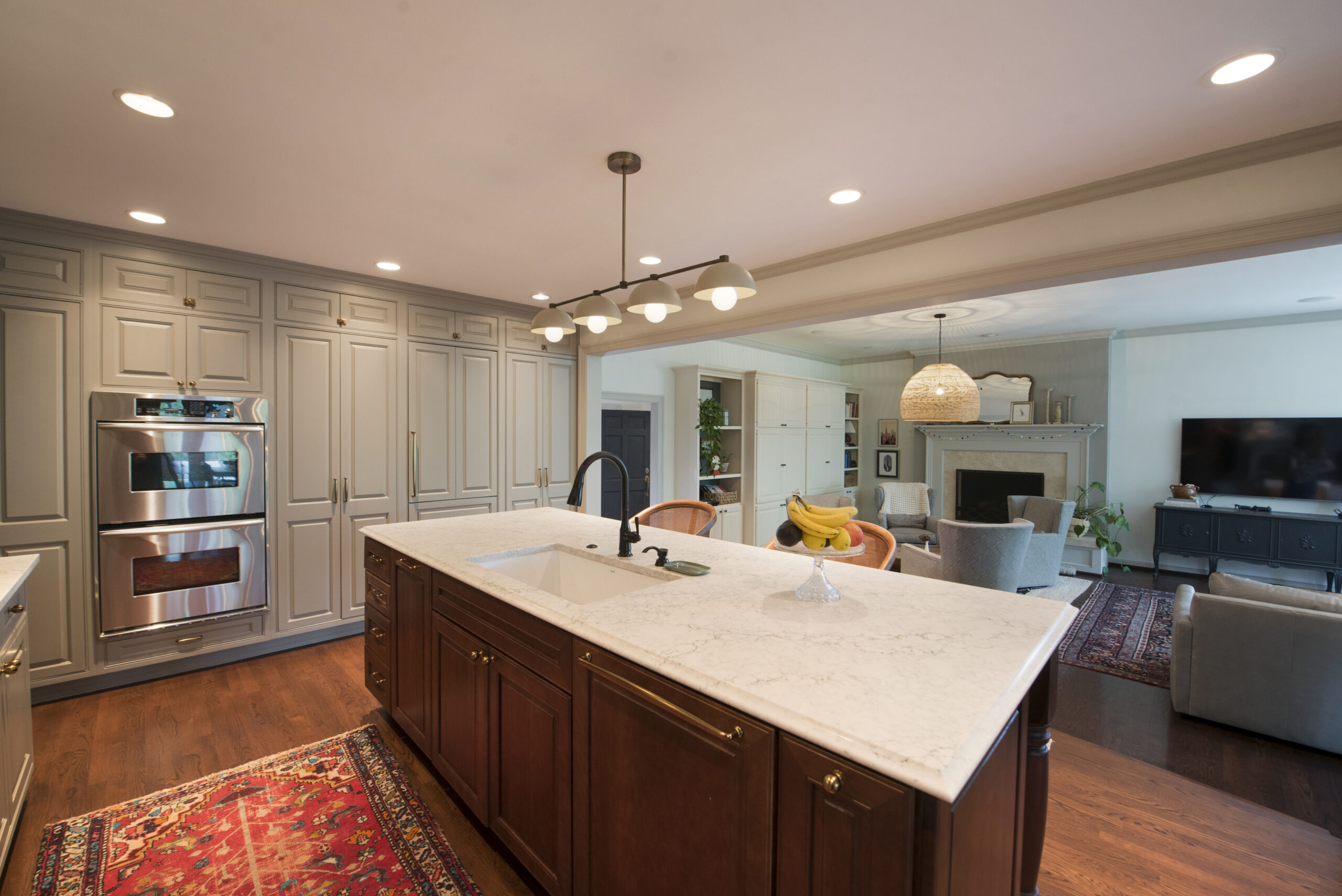
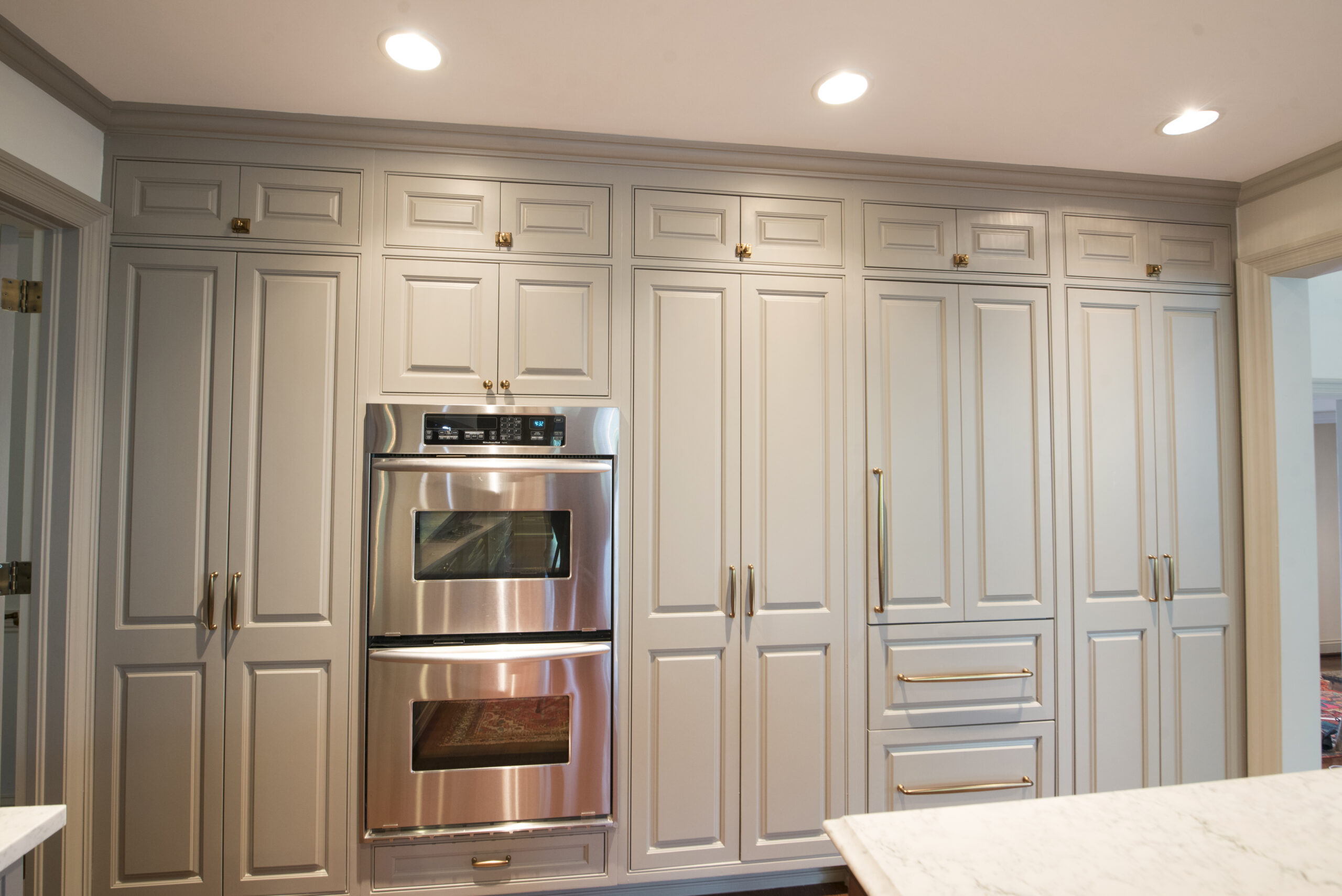
Insufficient storage guarantees cluttered counters forever. Plan storage for everything you own plus room to grow. Think about small appliances, spices, baking supplies, dish storage, and pantry items.

Poor lighting ruins kitchens. You need task lighting over work areas, ambient lighting for overall illumination, and accent lighting to highlight features. One ceiling fixture doesn’t cut it.

Project Management Errors

Starting construction before finalizing the design causes expensive mid-project changes. Make every decision before demolition begins. Yes, every cabinet pull and light switch.

Not planning for living without a kitchen causes stress and unnecessary spending. Set up your temporary kitchen before construction starts.

Choosing contractors based solely on price backfires regularly. The lowest bid often means cut corners, cheap materials, or surprise upcharges later. Get detailed quotes and compare apples to apples.

Financial Planning Failures

Not having a contingency fund for surprises is planning to fail. You will discover issues once walls are opened. Water damage. Outdated wiring. Structural problems. Budget 15-20% extra.

Making emotional decisions in the showroom blows budgets fast. That beautiful faucet costs $800 when the $200 version functions identically. Choose strategically.

Financing the entire project on credit without understanding repayment plans leads to financial stress. Calculate real costs including interest before committing.

FAQs about Kitchen Remodeling in Columbus

1. How long does a typical kitchen remodel take?

Most complete kitchen remodels take 8-16 weeks from start to finish. Simple cosmetic updates might complete in 4-6 weeks. Complex projects involving structural changes, custom elements, or expansion can stretch to 20+ weeks. Permit approval adds 2-4 weeks before construction even starts. Material delays, inspection issues, and unexpected problems can extend timelines further.

2. What are the most popular kitchen design trends in Columbus?

Columbus homeowners favor open-concept layouts connecting kitchens to living spaces, large multipurpose islands with seating, walk-in or butler’s pantries, white or light gray cabinetry with darker accents, quartz countertops, subway tile backsplashes with interesting patterns, stainless steel or matte black appliances, and under-cabinet LED lighting. Farmhouse and transitional styles dominate over ultra-modern aesthetics.

3. How can I increase storage without expanding my kitchen?

Maximize vertical space with cabinets extending to the ceiling. Add pull-out organizers, lazy Susans, and drawer dividers to make existing storage more efficient. Install a pot rack to free cabinet space. Use toe-kick drawers in the space under base cabinets. Add open shelving where it makes sense. Consider a pantry cabinet if you lack a walk-in pantry. Utilize island storage with cabinets and drawers on all sides.

4. Do I need permits for minor kitchen renovations?

Columbus typically requires permits for any work involving plumbing, electrical, or structural changes. Replacing cabinets, moving appliances, adding outlets, or changing lighting fixtures usually need permits. Simple cosmetic updates like painting, replacing hardware, or swapping appliances with identical models often don’t. Always verify with the Columbus building department before assuming work is exempt. Your contractor should guide you through this.

5. How do I choose the best materials for Columbus weather conditions?

Ohio humidity and temperature swings require durable materials. Choose quartz over marble for countertops because it handles moisture better. Select luxury vinyl plank or tile over hardwood near sinks to prevent water damage. Use quality plywood or solid wood cabinetry rather than particleboard which swells in humidity. Ensure proper ventilation to manage moisture. Pick exterior-grade finishes for any kitchen elements near exterior doors or windows.

Build Your Dream Kitchen Today

A successful kitchen remodel starts with solid planning. Understand your budget realistically. Design for how you actually live, not just how spaces look in magazines. Choose materials that balance beauty with durability. Hire contractors who communicate well and stand behind their work. Navigate permits properly. Plan for the unexpected.

Columbus homeowners who approach remodeling strategically end up with kitchens they love for decades. Those who rush in without planning end up over budget, behind schedule, and disappointed with results.

Your kitchen affects your daily life more than any other room. Getting it right matters. Taking time to plan well prevents expensive mistakes and creates a space that truly works for your family.

Ready to start your kitchen transformation? Pat Scales Remodeling brings decades of Columbus experience to every project. They understand local building codes, know which materials hold up to Ohio weather, and have relationships with quality suppliers and subcontractors throughout the area.

Their team walks you through planning, handles permits, manages construction, and delivers results on schedule. You get transparent pricing, regular communication, and craftsmanship backed by years of satisfied Columbus homeowners.

Call us at (614) 662-481 and schedule a consultation with us at Pat Scales Remodeling today to discuss your vision, get honest budget guidance, and create a plan that transforms your kitchen into the space you’ve been dreaming about.